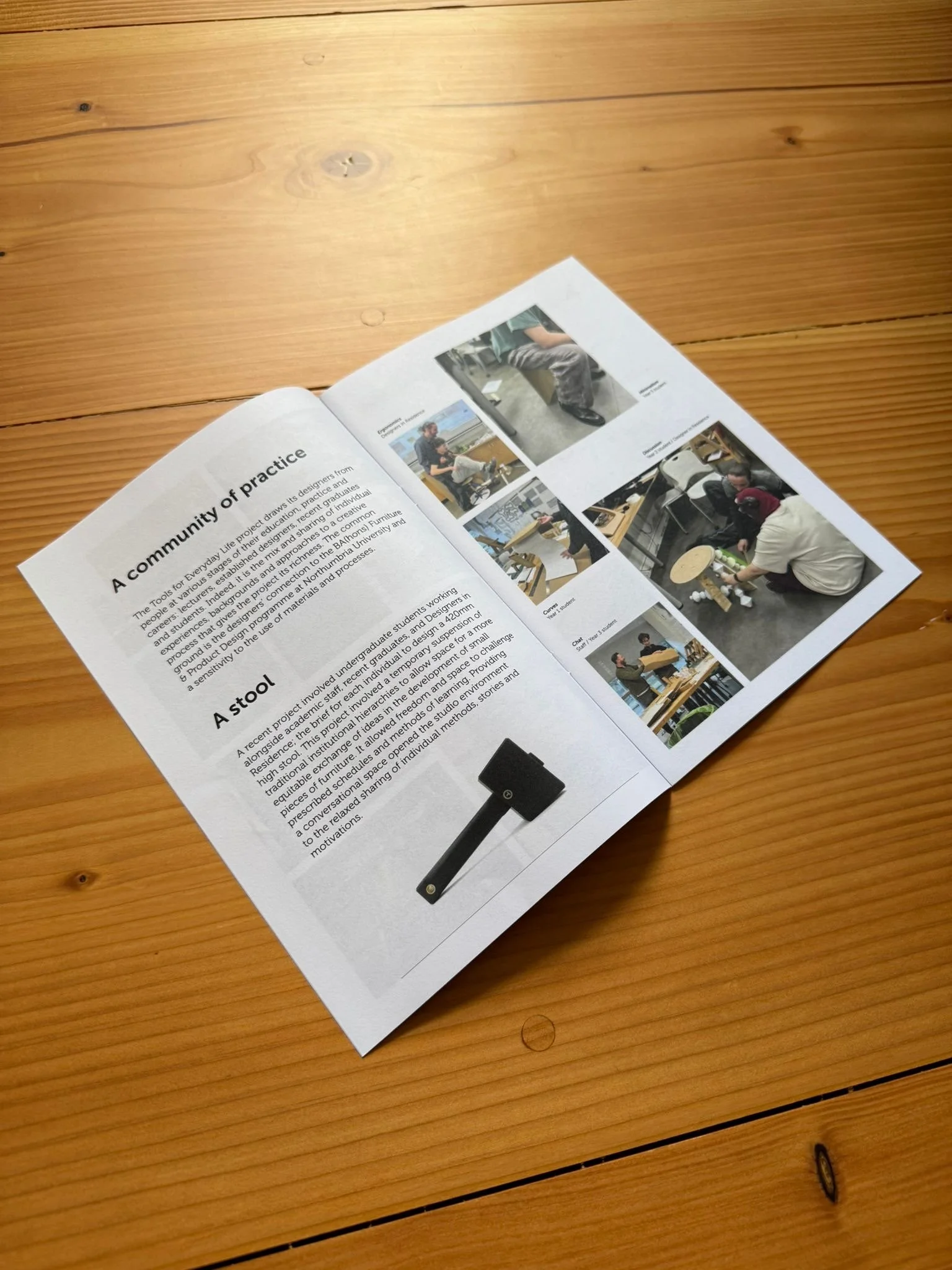
Tools for Everyday Life • Kanalhuset, Copenhagen.
Exhibition: 3daysofdesign, June 2025.
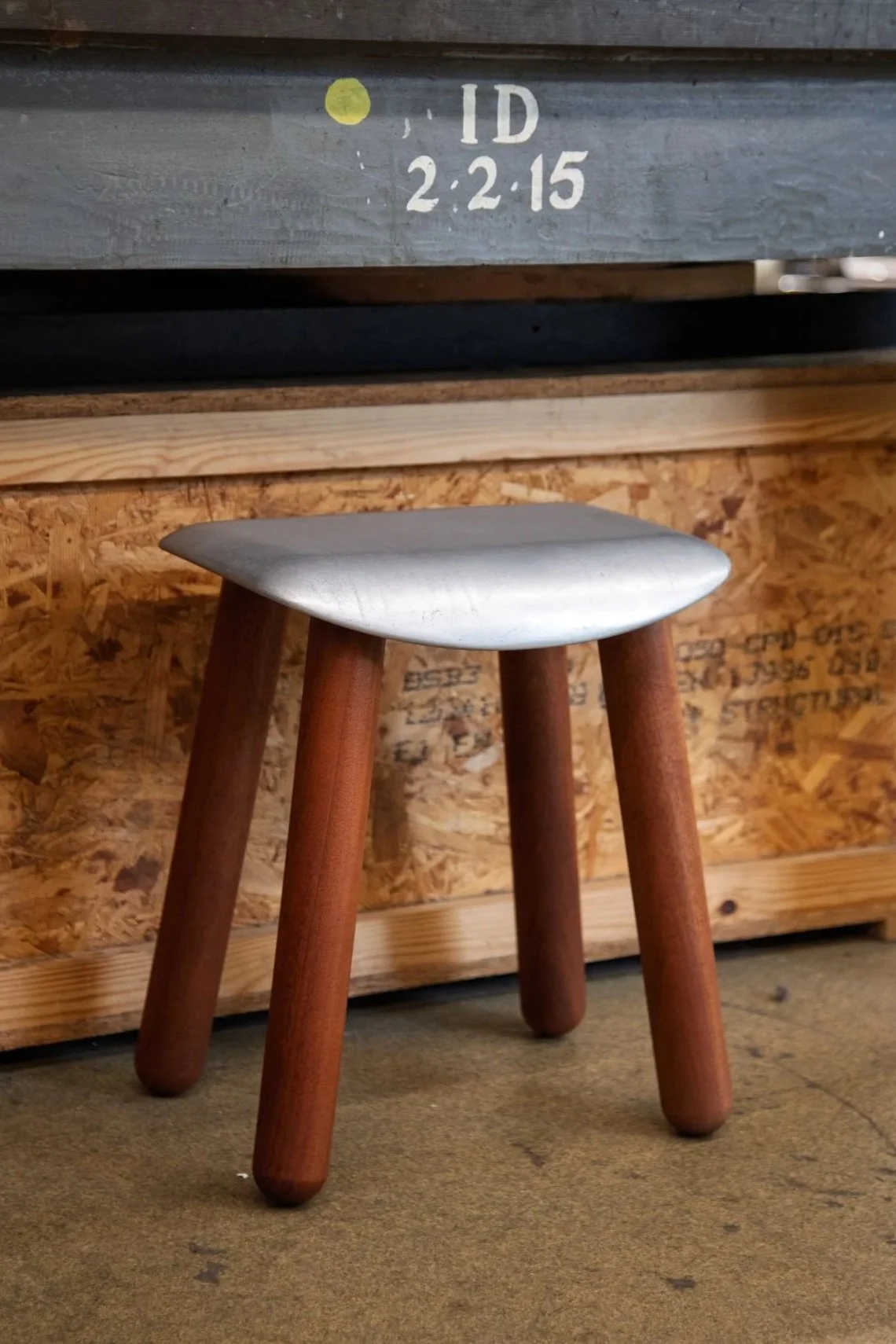
‘Stools’
The Tools for Everyday project is made up of faculty, Designers in Residence and recent graduates of Northumbria University’s BA(hons) 3D Design programme. The projects starting point is to view people as skilled practitioners and everyday life as skilled activity.
Designing products as ‘tools’ engages a craftsman’s understanding of materials and processes in both the making and use of things. We are inspired by how good tools provide a model for how objects both enable and reward skill development. Good tools connect their operators with tasks.
The Tools exhibitors include: Rickard Whittingham, Joe Smith, Will Baugh, George Riding, Trevor Duncan, Fred Dunbar.
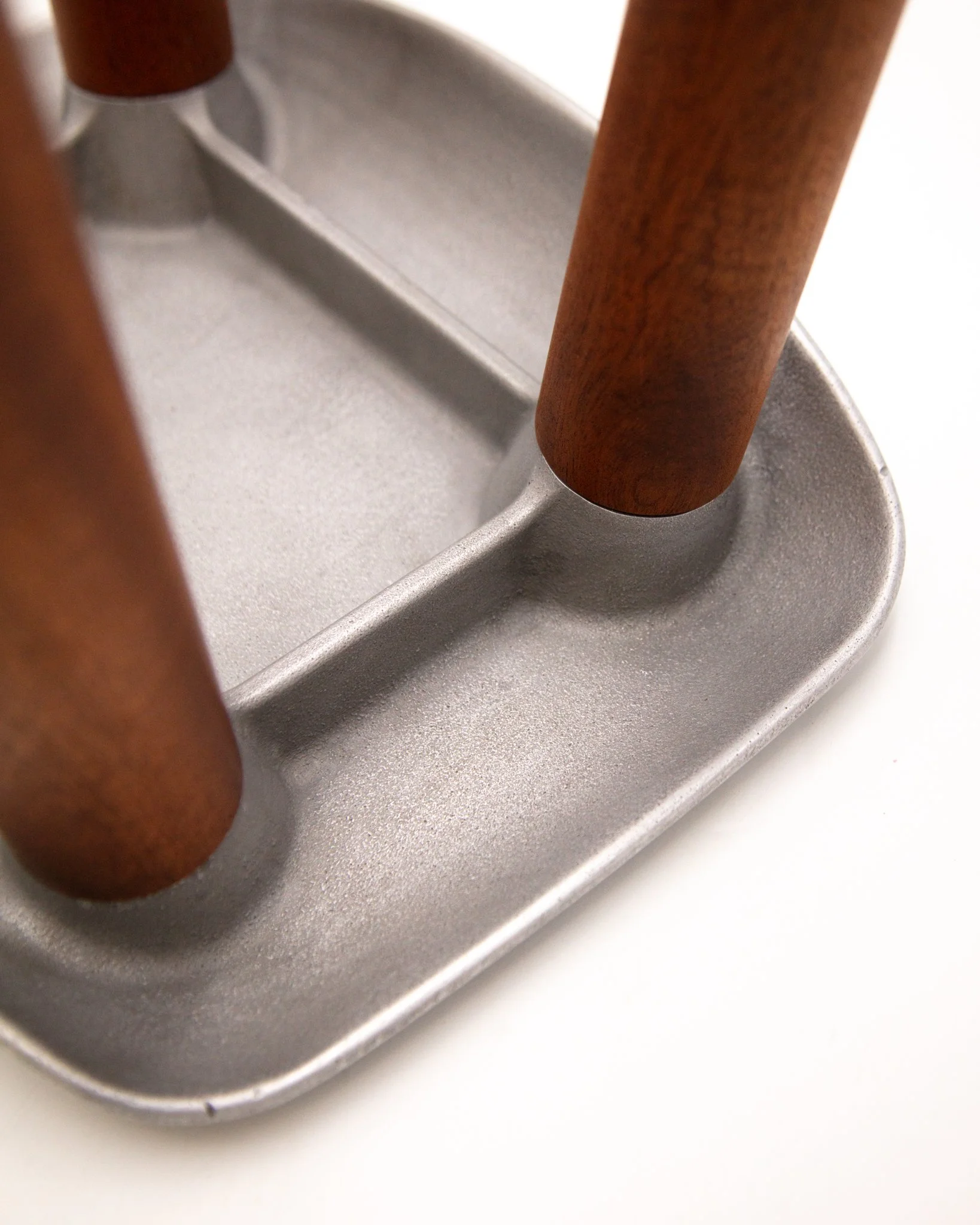
Once widespread across the UK, jobbing foundries developed practices shaped by local needs and regional materials. At the heart of the foundry (and its allied trades) lies the expertise of individuals and their deep understanding of materials. Pattern makers shape wood and resin into intricate, precise forms; moulders form green sand into moulds, creating runners, risers, and cores from core sand; and casters control temperature, flow, and solidification during the pour. Each step carefully accounts for the nature of the metal as it cools and shrinks — demanding experience, intuition, and a technical savvy shared tacitly across generations.
The recent closure of William Lane Foundry in 2024 — the UK’s oldest jobbing foundry established in Middlesborough in 1862 — underscores the fragility of this expertise and the risk that such knowledge becomes undervalued or lost in the UK.
Recast Collection
This project explores latent industrial craft tooling and moulds as rich repositories of accumulated knowledge, skill, narrative, and use. Working closely with Derek Harper Foundry, a sand-casting workshop in Low Moor, Bradford, it engages an archive of redundant and discarded industrial patterns, using them to explore the intricacies of casting, and putting them ‘back to work’ in new forms.
“The tools, jigs, and machines on which the workmanship of certainty will always depend are simply the stored embodiment of the care, judgment and dexterity exercised by the workman at an earlier time.” (Pye, 1968. P.53-54)