Proof of Concept • Aram Gallery, London.
Exhibition: Friday 6th March - Saturday 18th April, 2026.
‘Mould’
Mould explores the craft of moulding across ceramics, plastics, metals and other materials, uncovering the potential at each stage of casting, forming and finishing. By examining how a mould affects the structure and character of an object, the exhibition emphasises the connection between material, technique and the maker’s hand, celebrating the significance of moulding in contemporary design.
Proof of Concept is a design platform founded in 2024 by David Irwin, Smith Matthias and Atelier Thirty Four to explore the intricate processes that underpin design practice. The initiative brings together multidisciplinary studios and independent practitioners spanning furniture, product design, ceramics, textiles and architecture. It showcases self-initiated projects, prototypes and works that never reached production, offering a rare view of the challenges and experimentation that shape the journey from concept to completion.
Mould exhibitors include: Alt Studio, Atelier Thirty Four, Chris Martin, David Irwin, Elliot Denny, Emma Louise Payne and Phoebe Stubbs, Josh South, Martina Claesson, Mentsen, Smith Matthias, Supergroup and Tabatha Pearce Chedier.
Proof of Concept >>Aram Gallery >>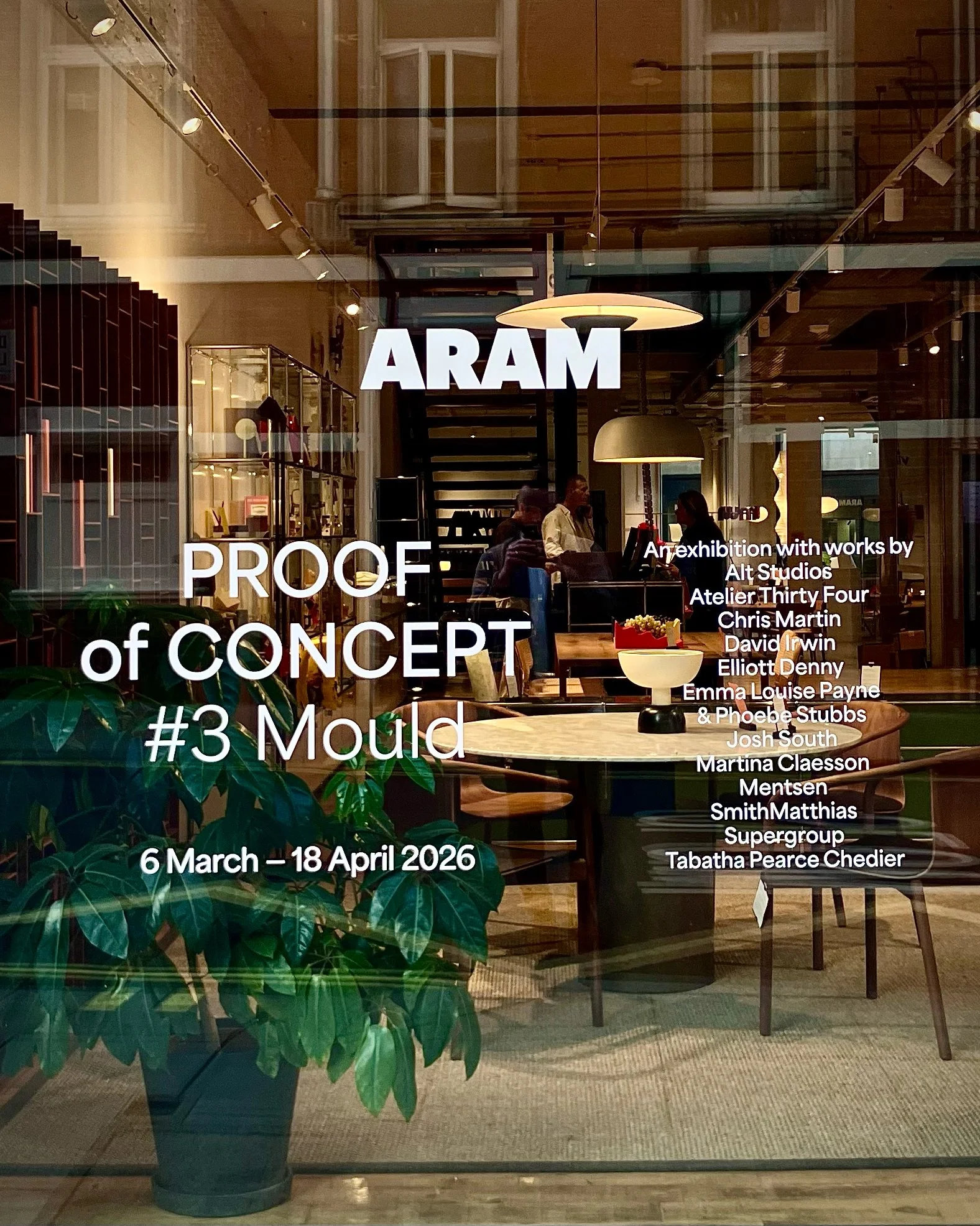
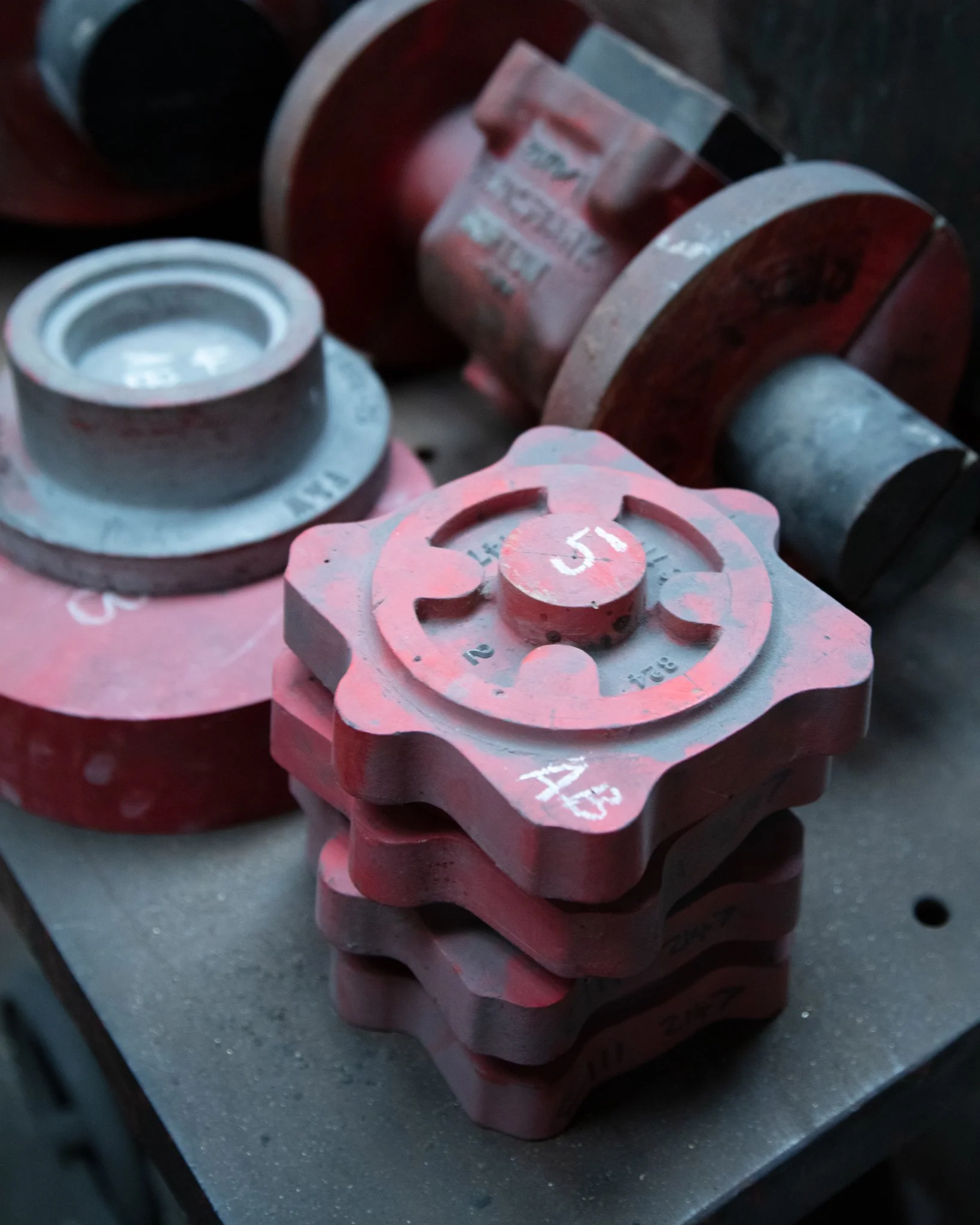
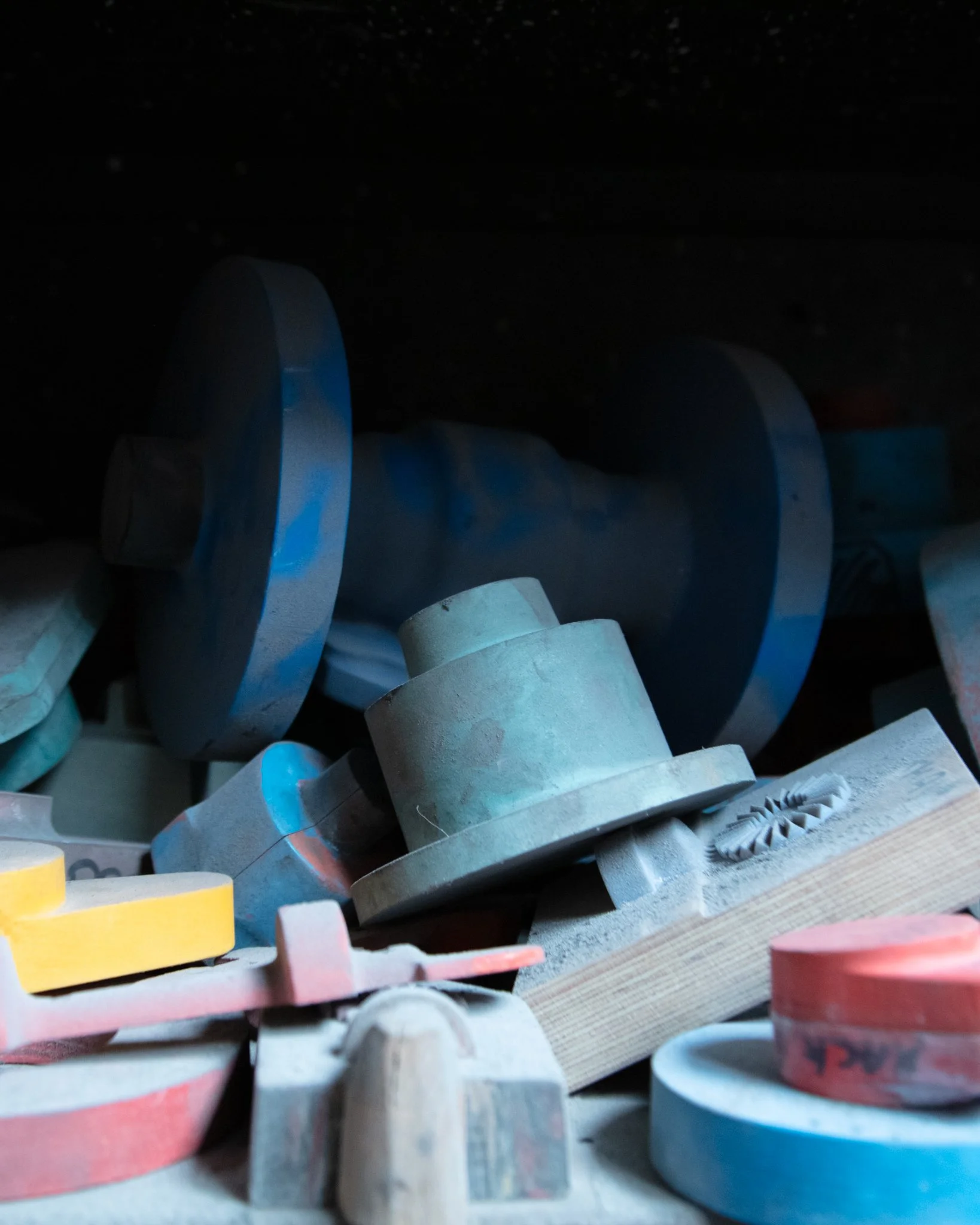
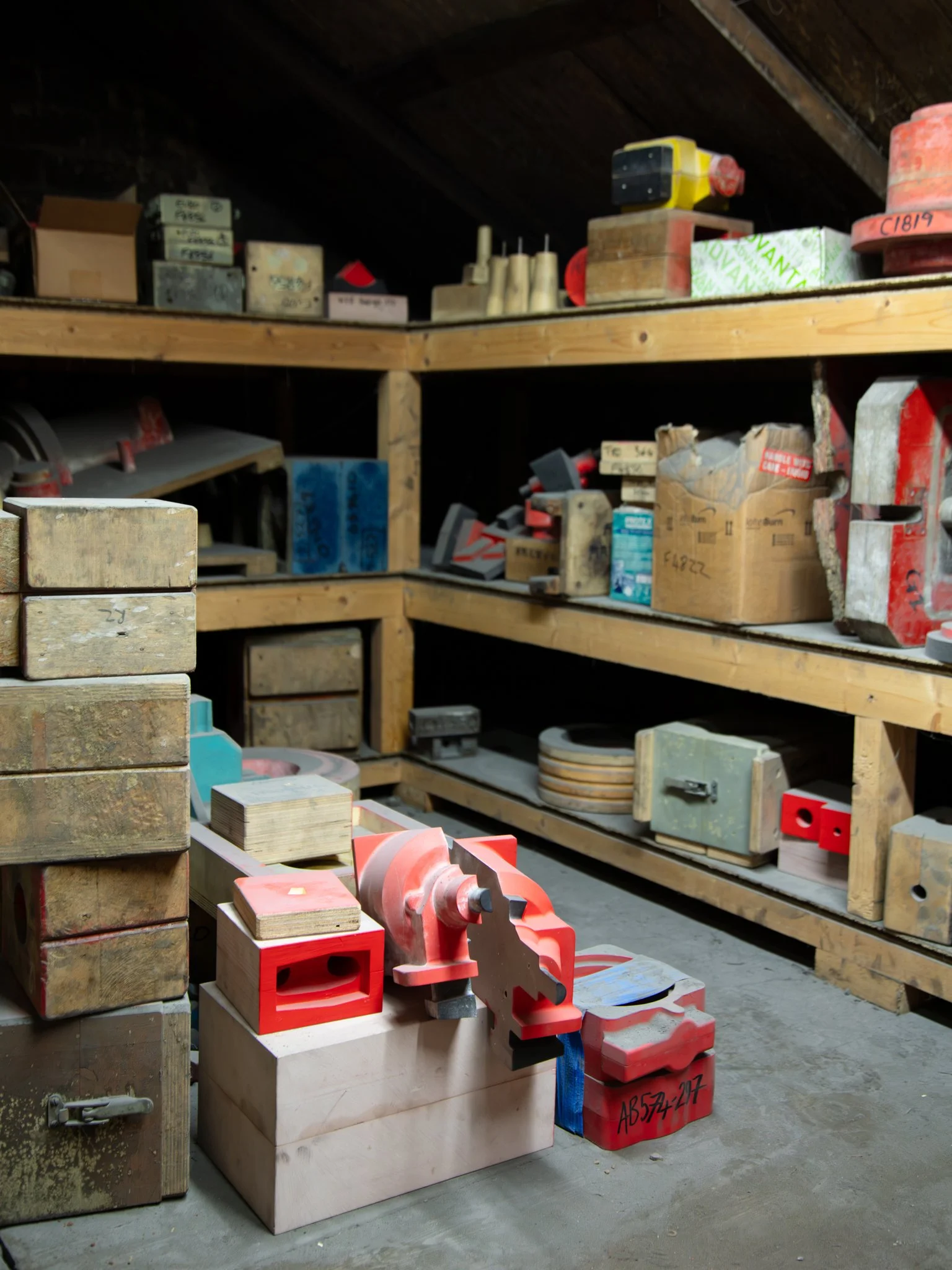
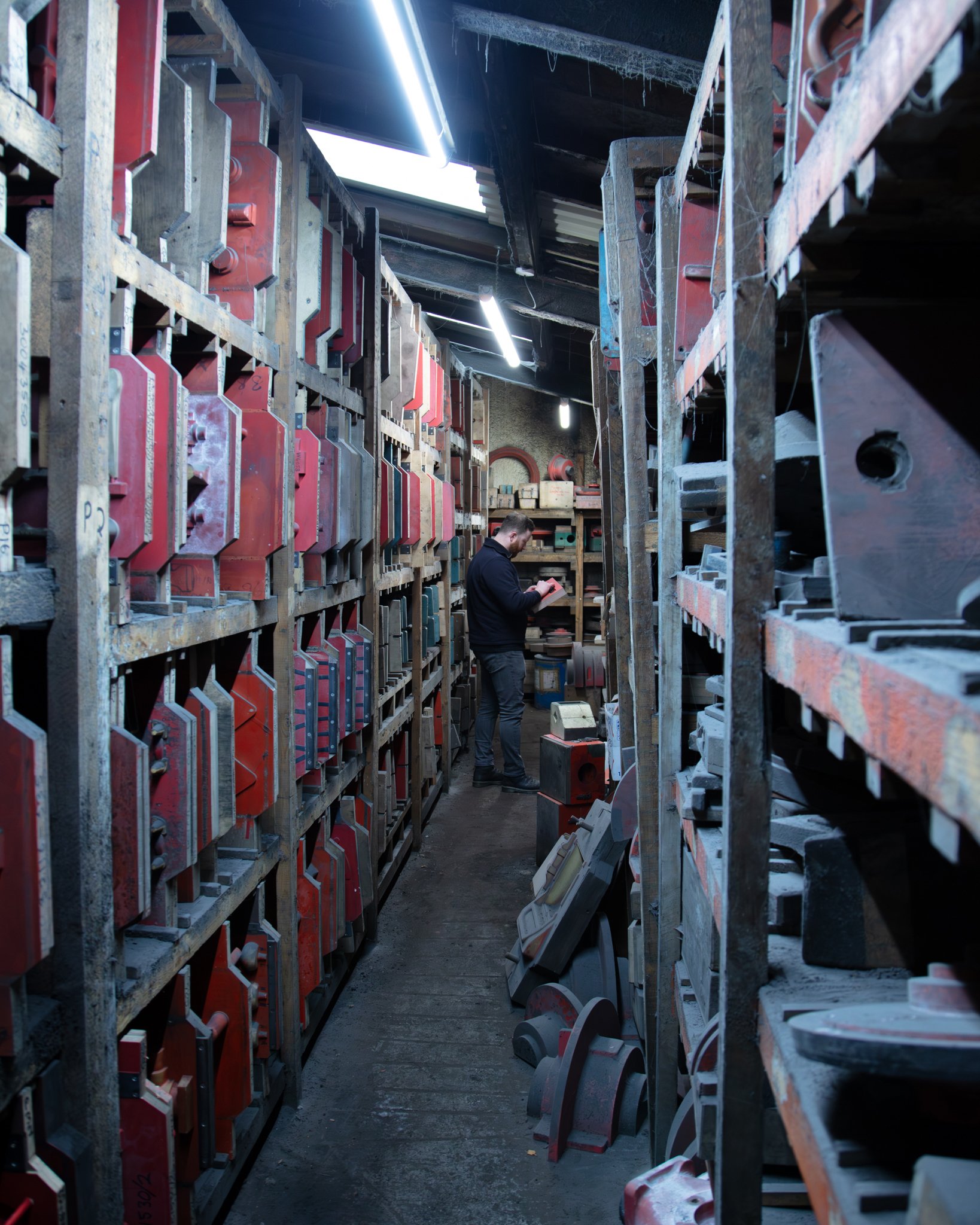
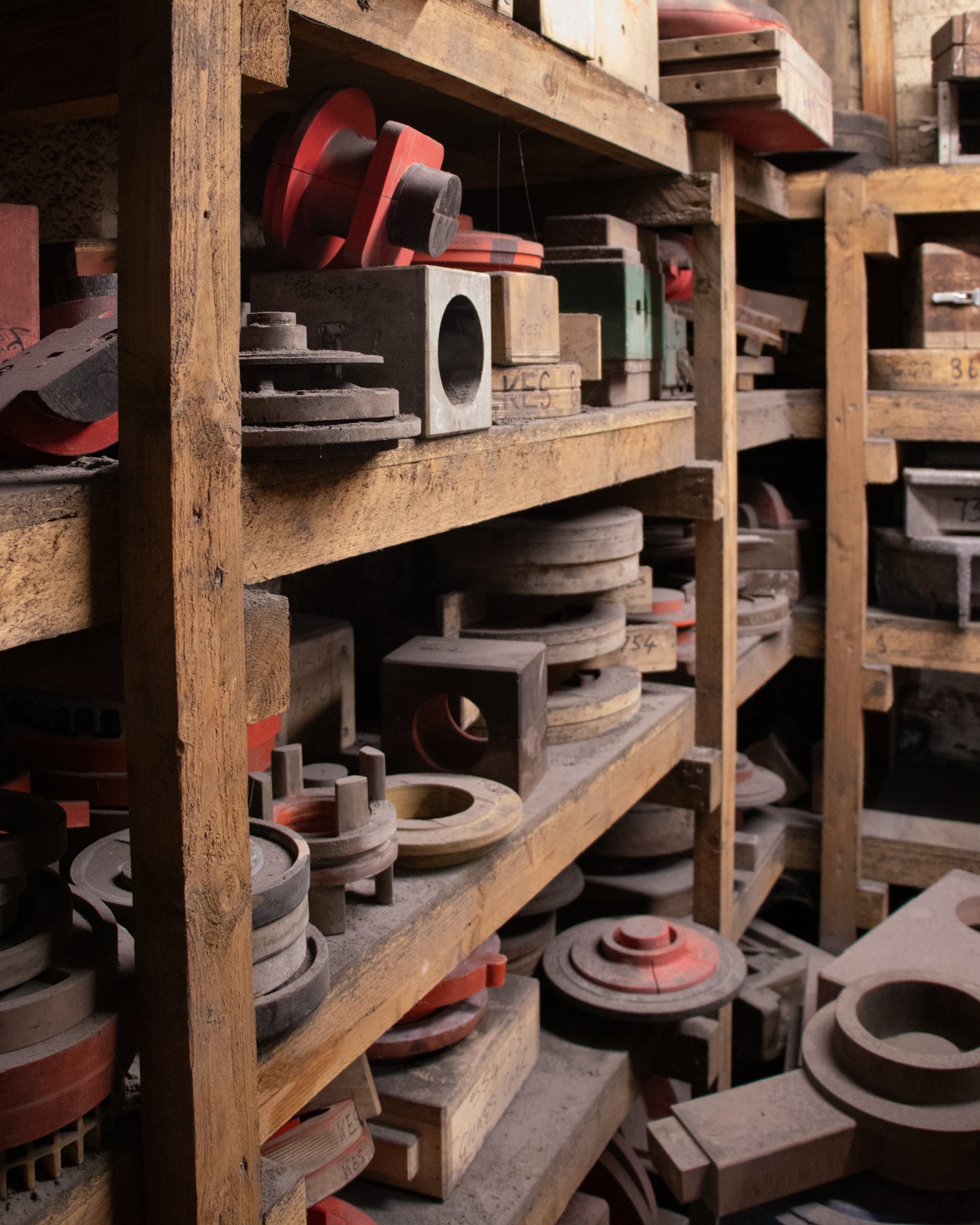
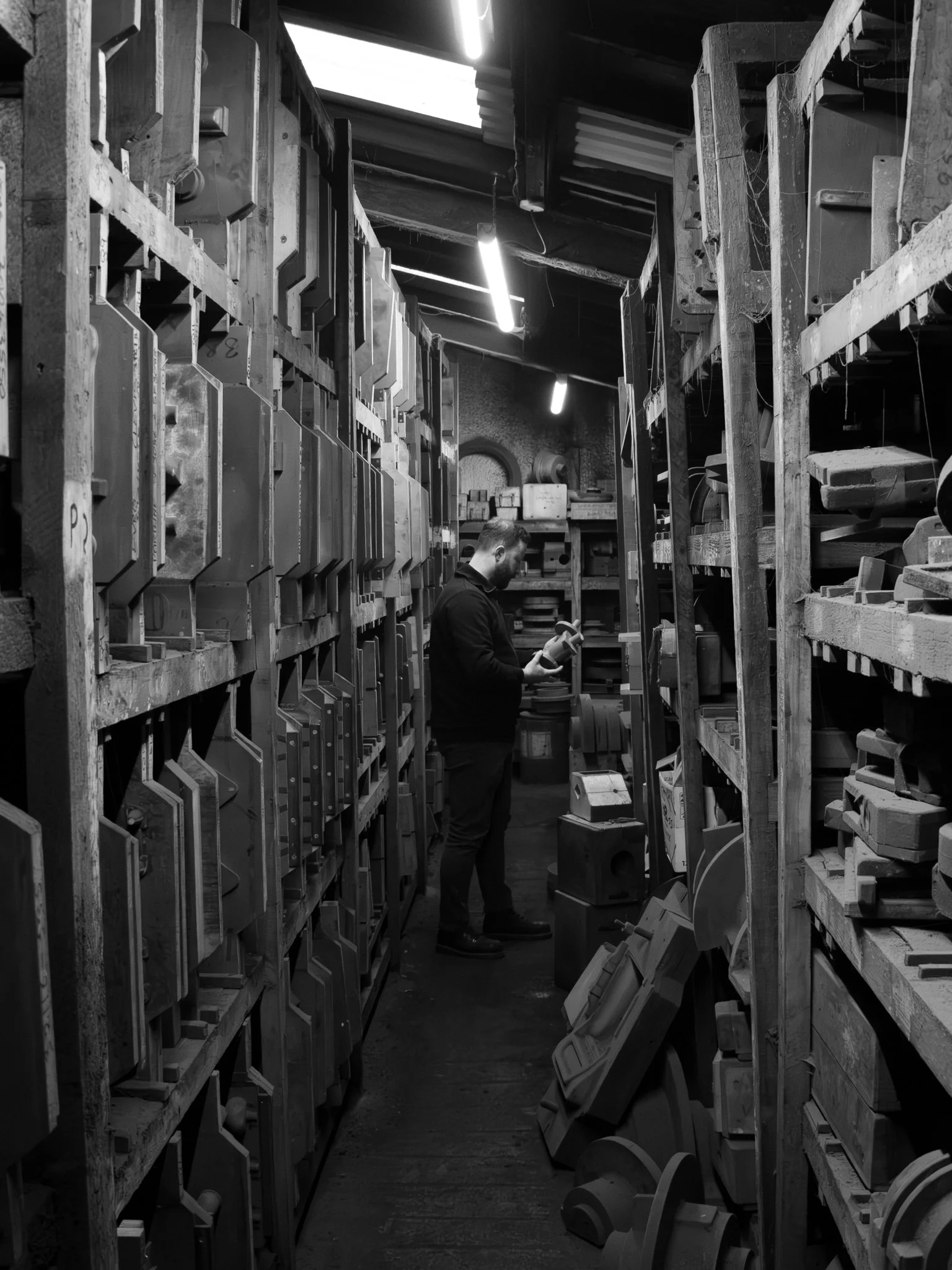
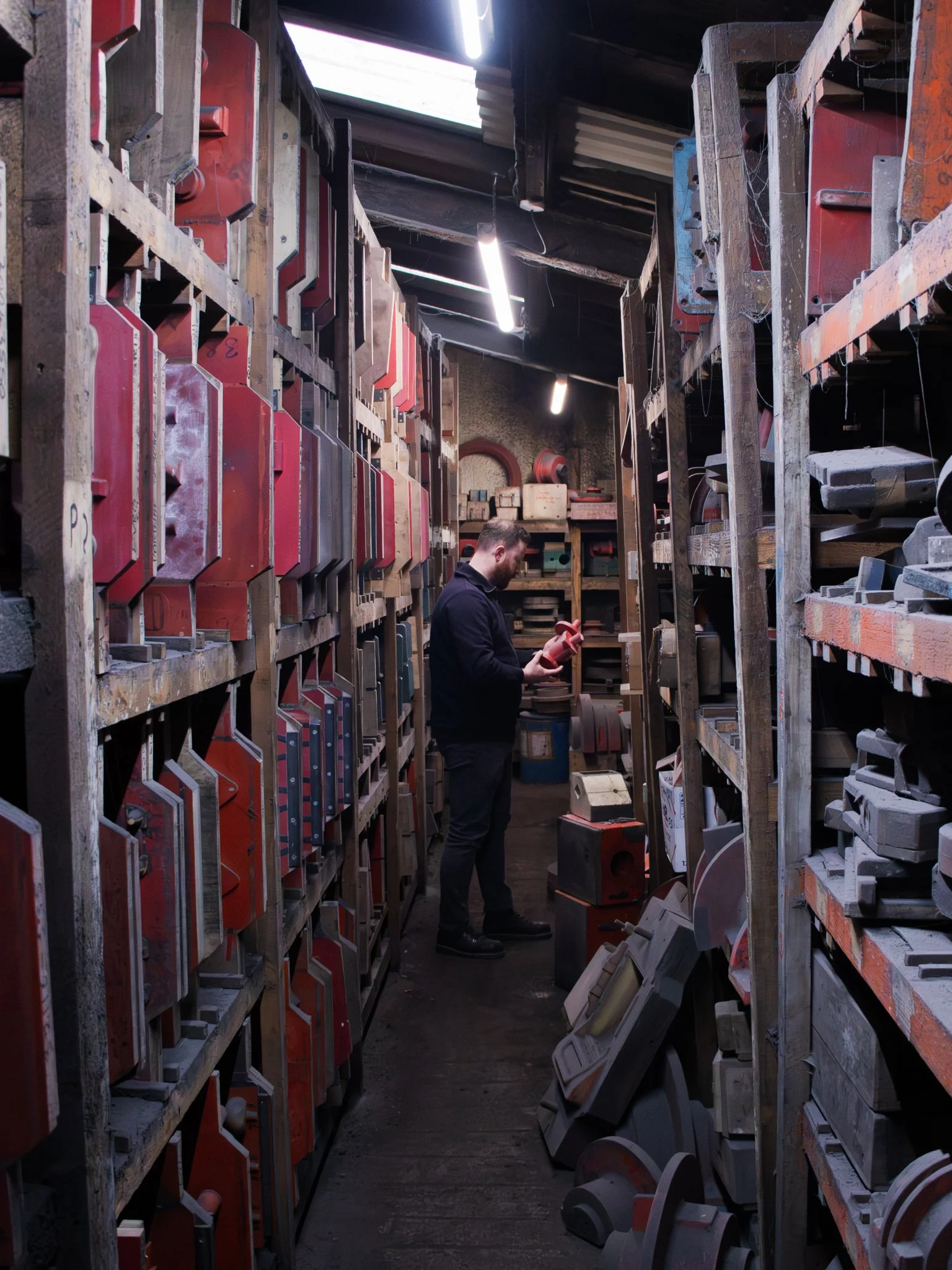
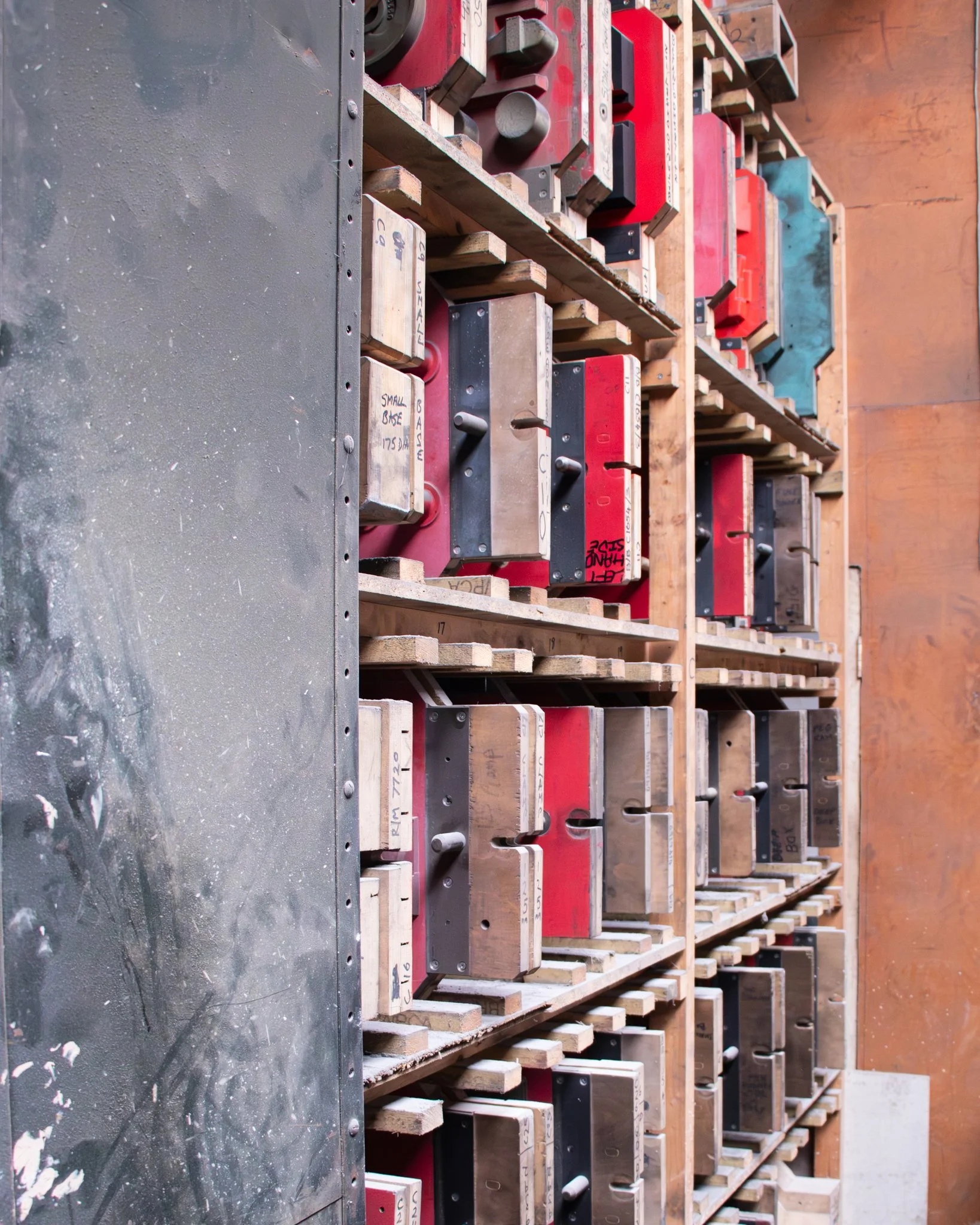
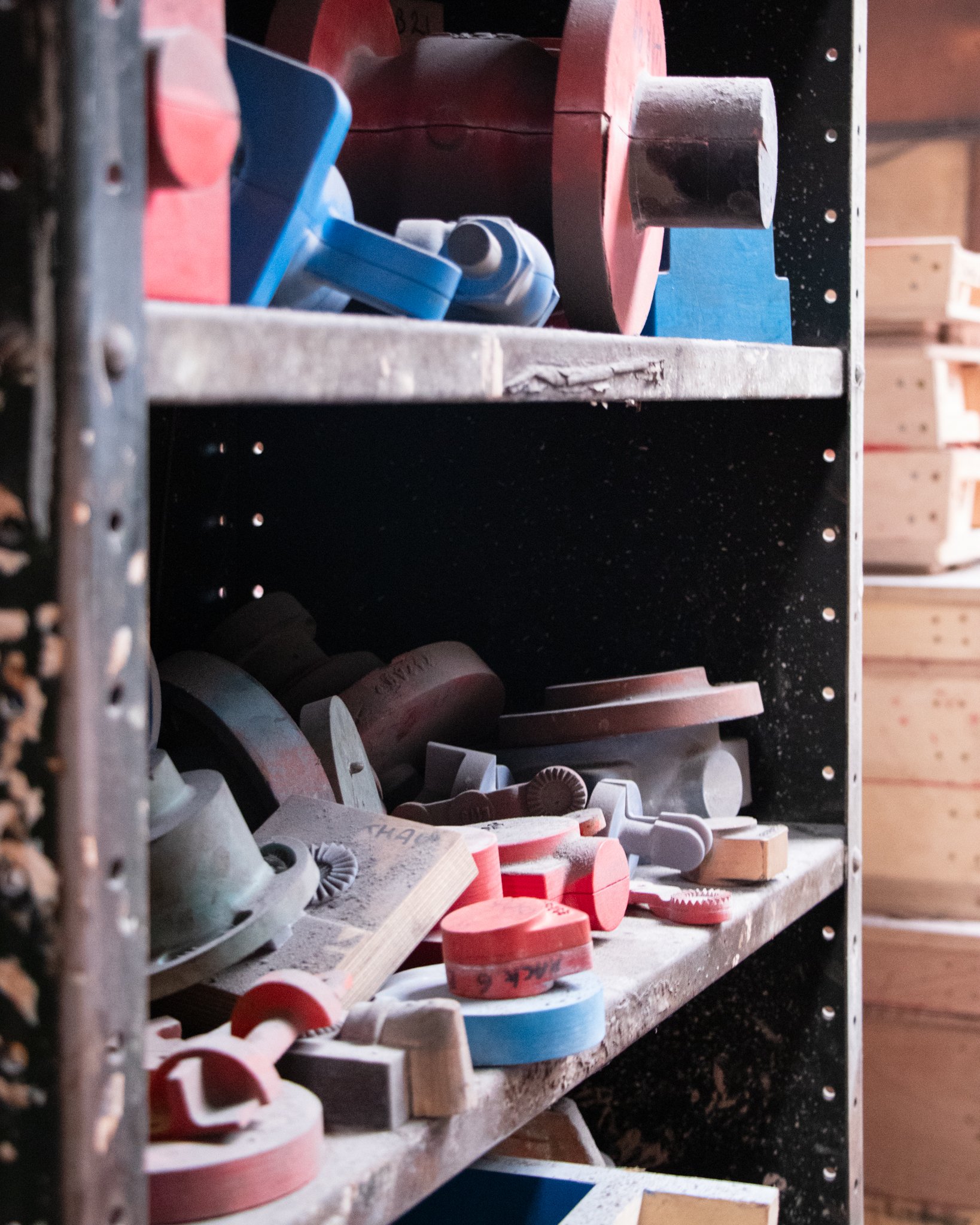
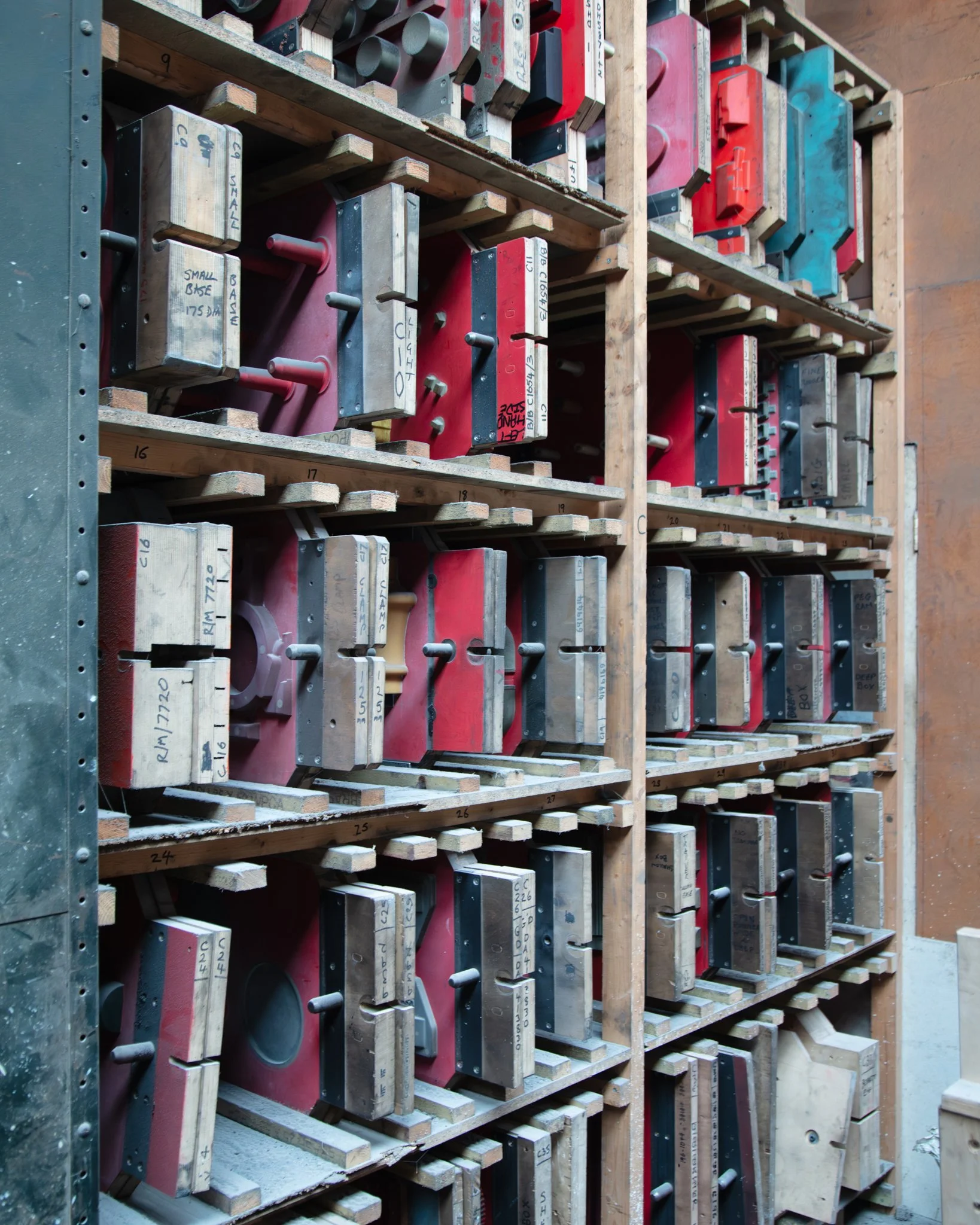
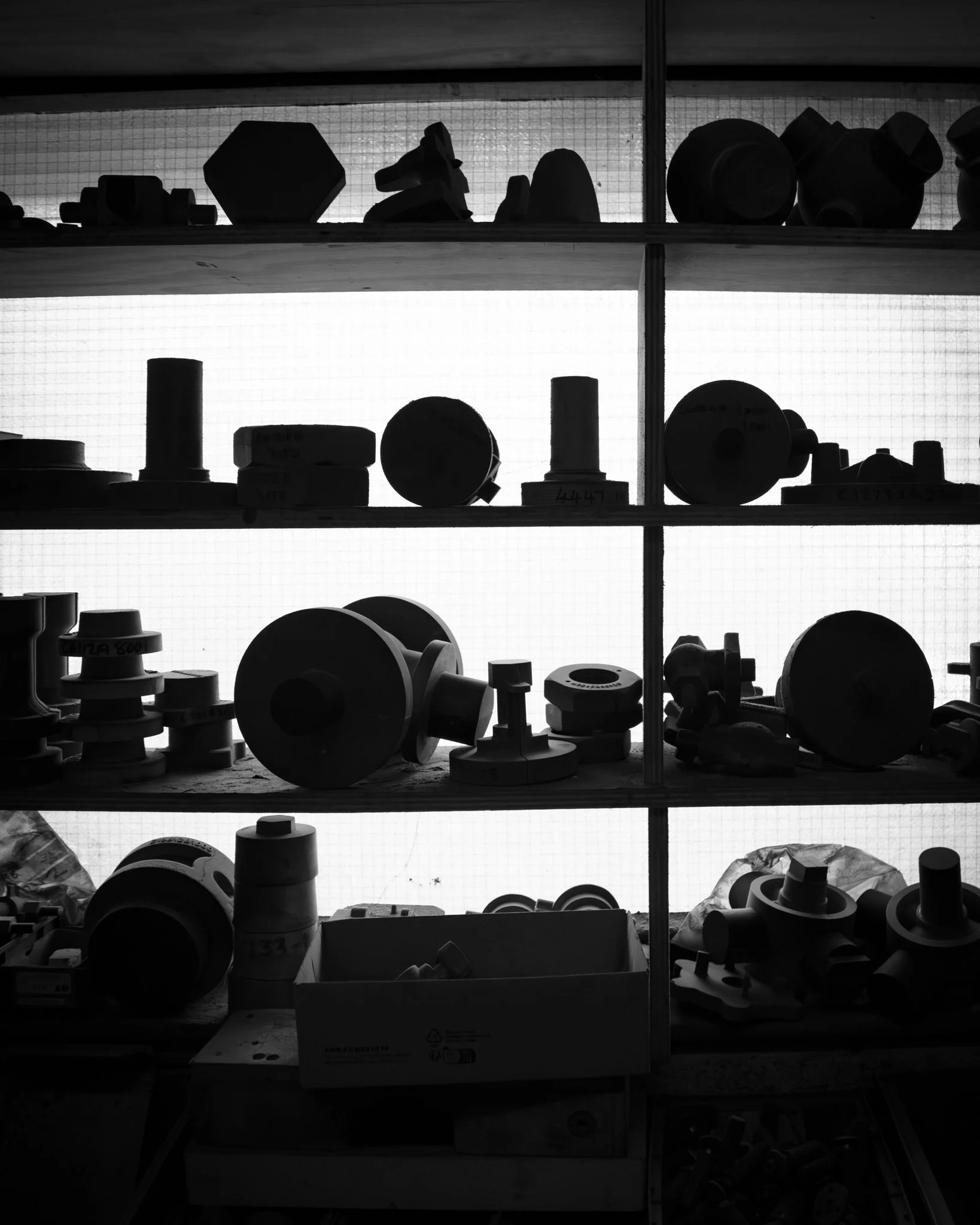
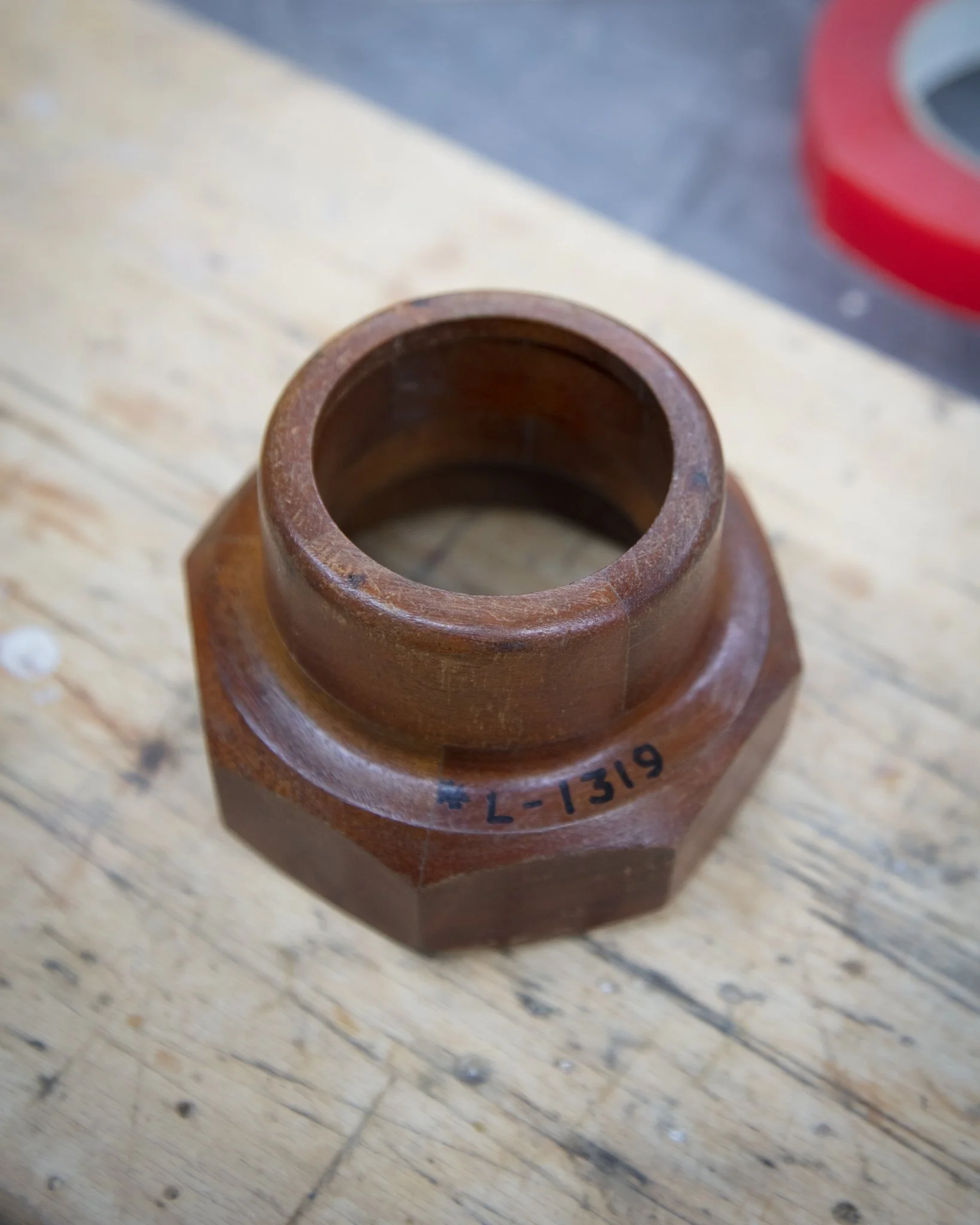
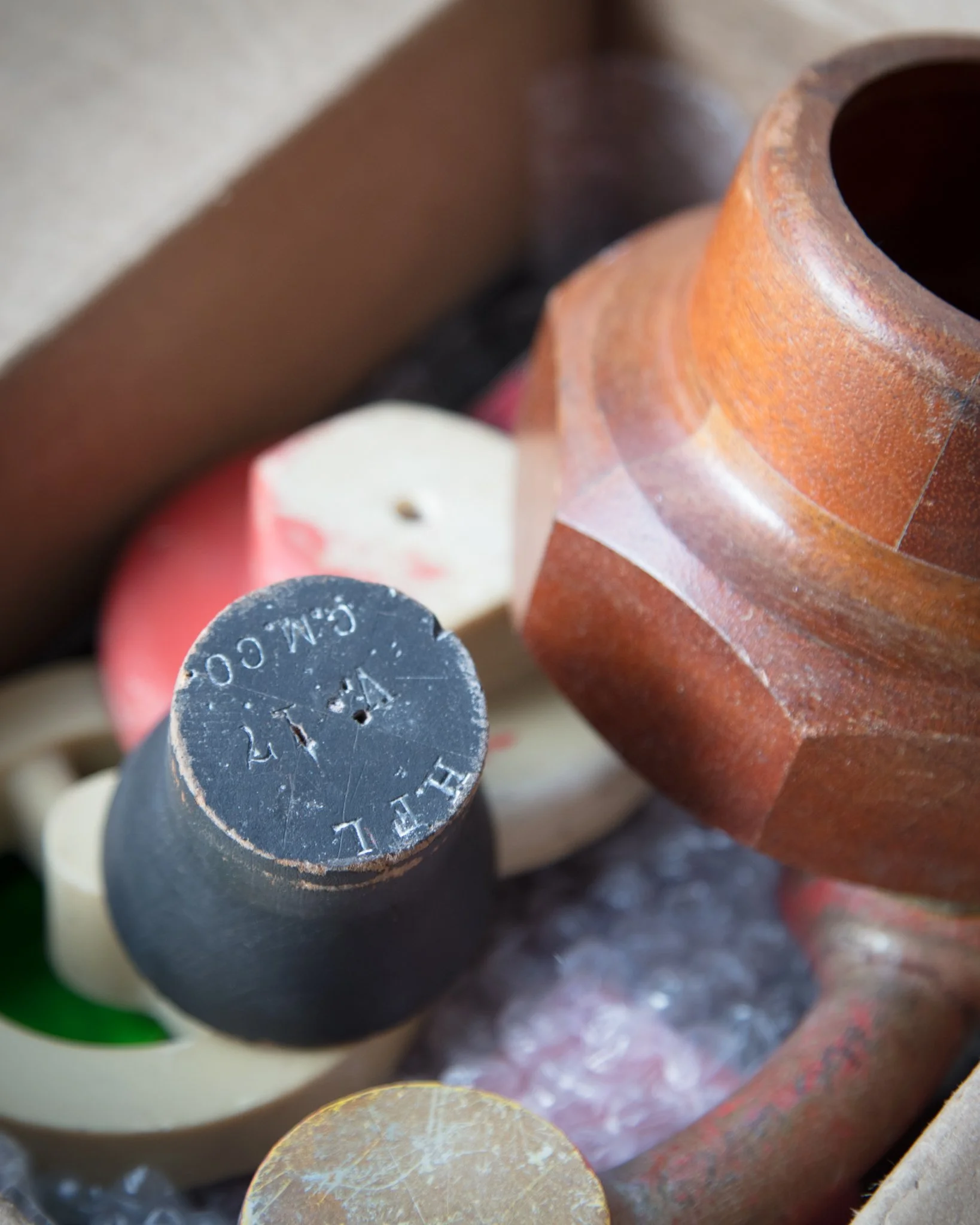
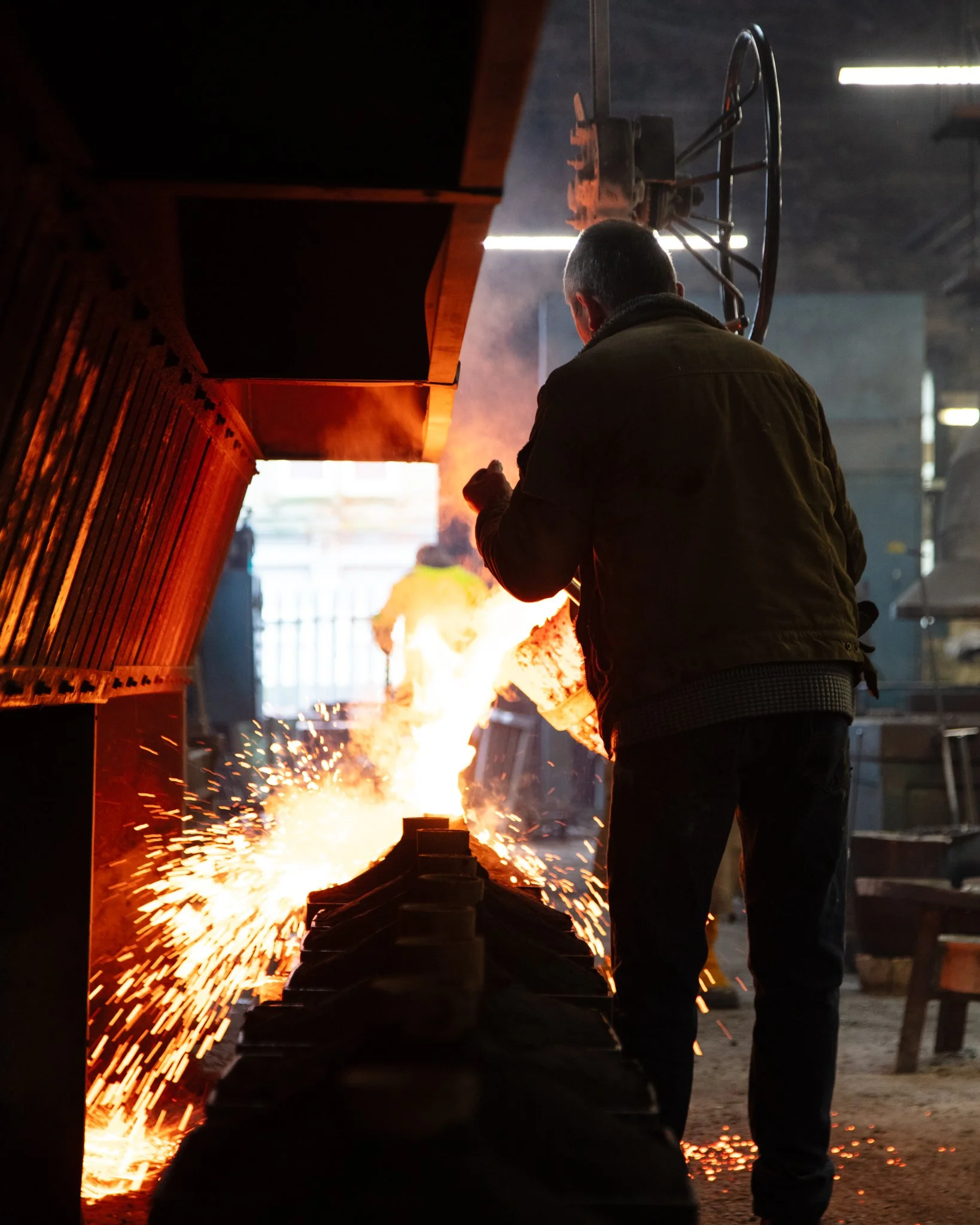
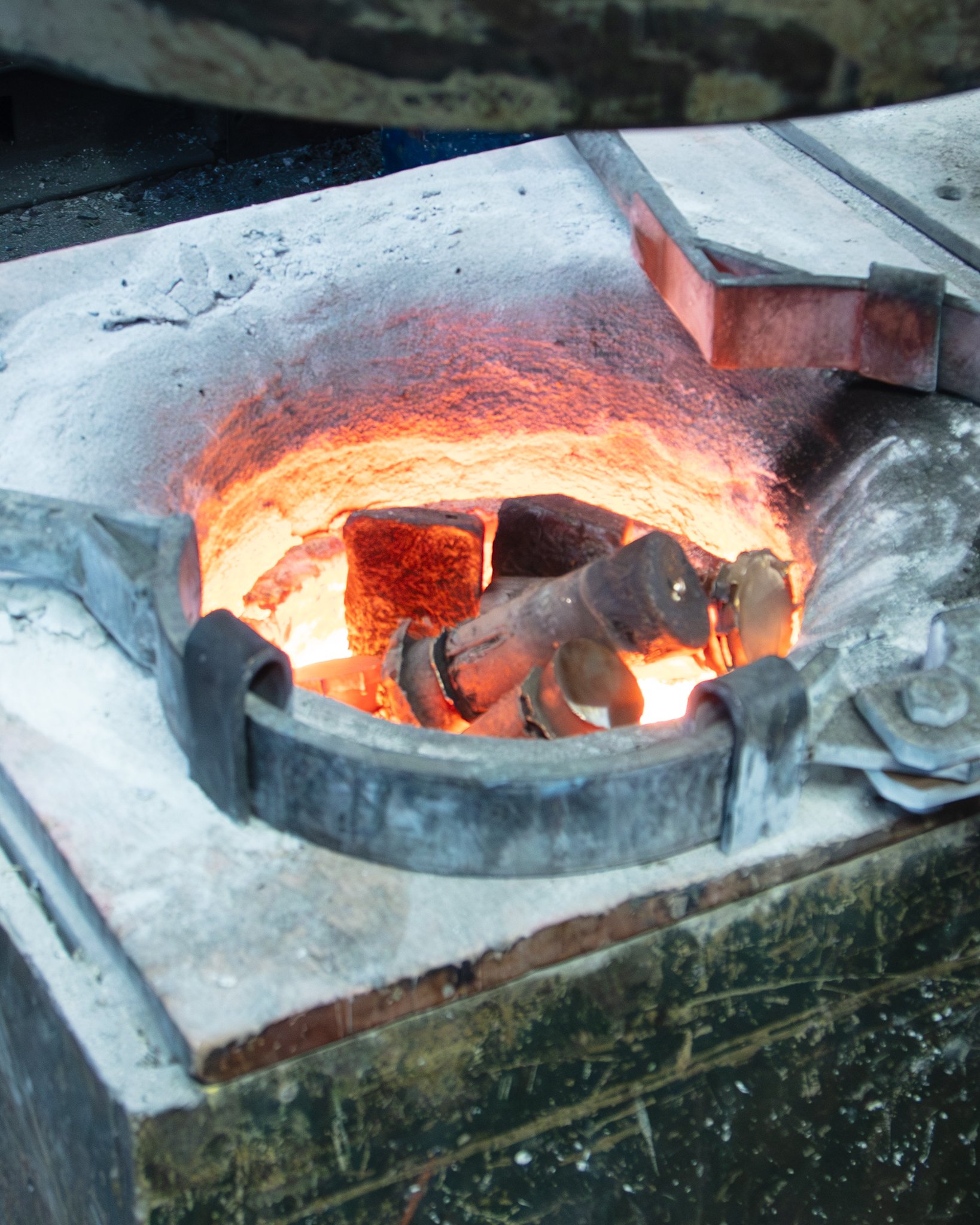
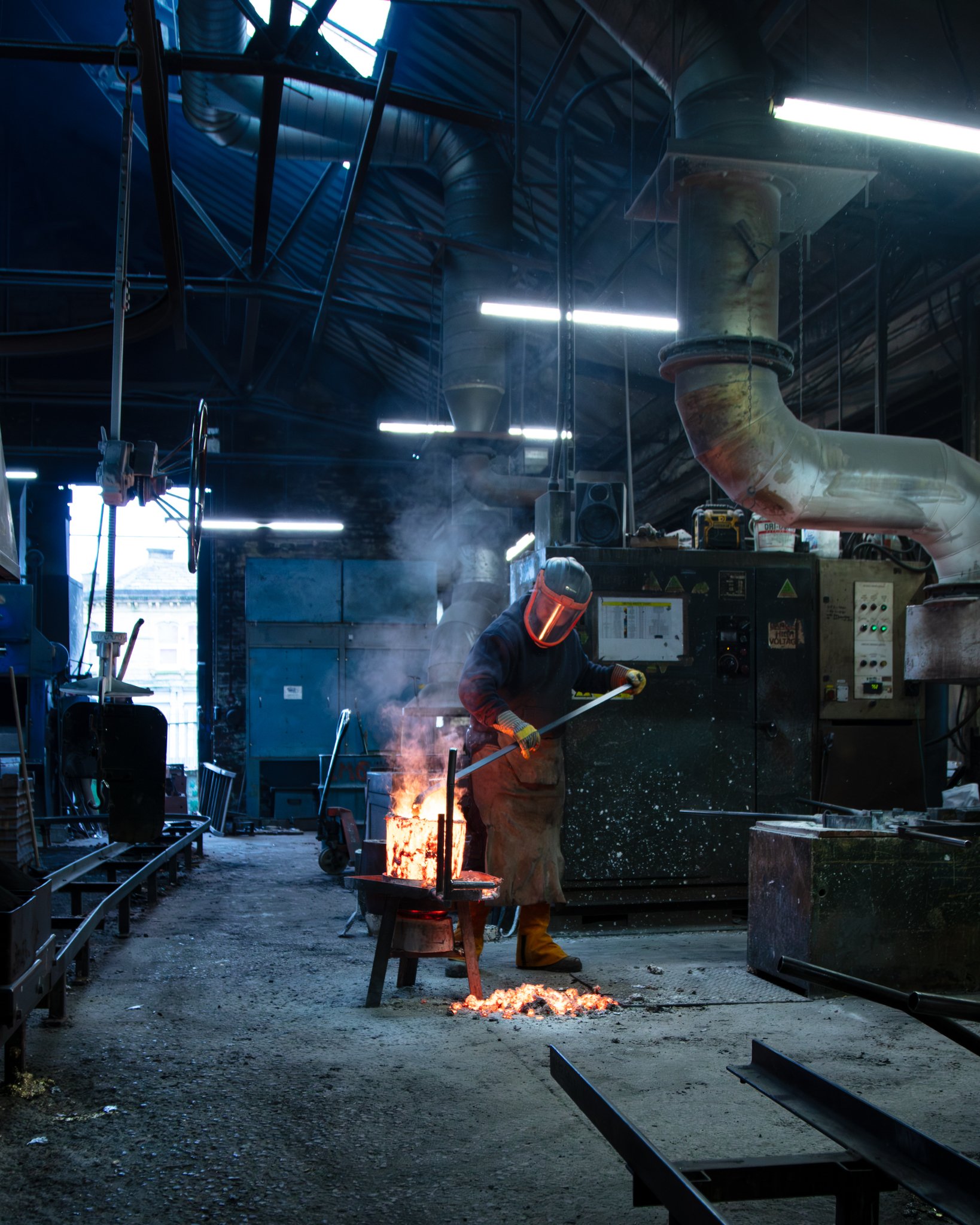
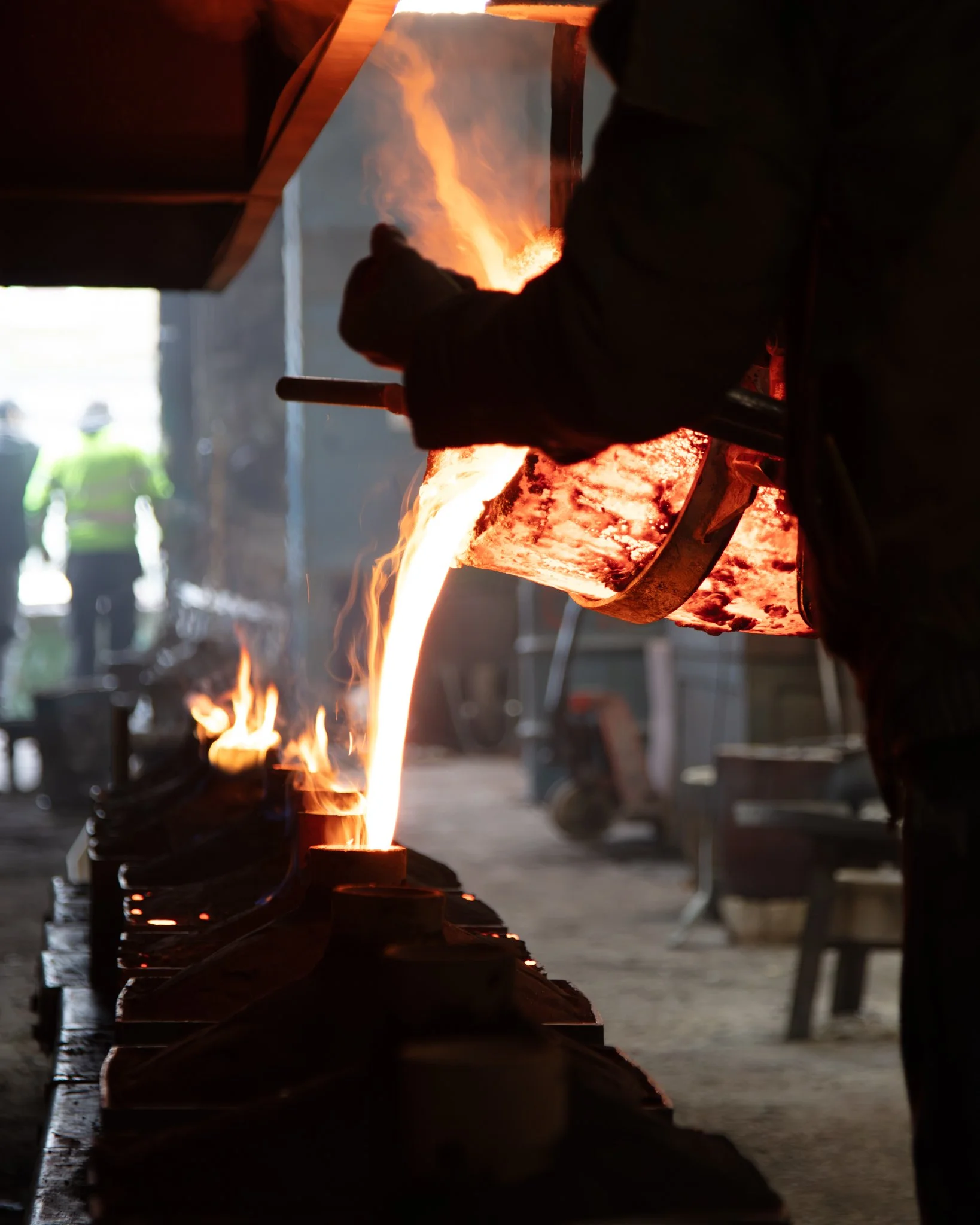
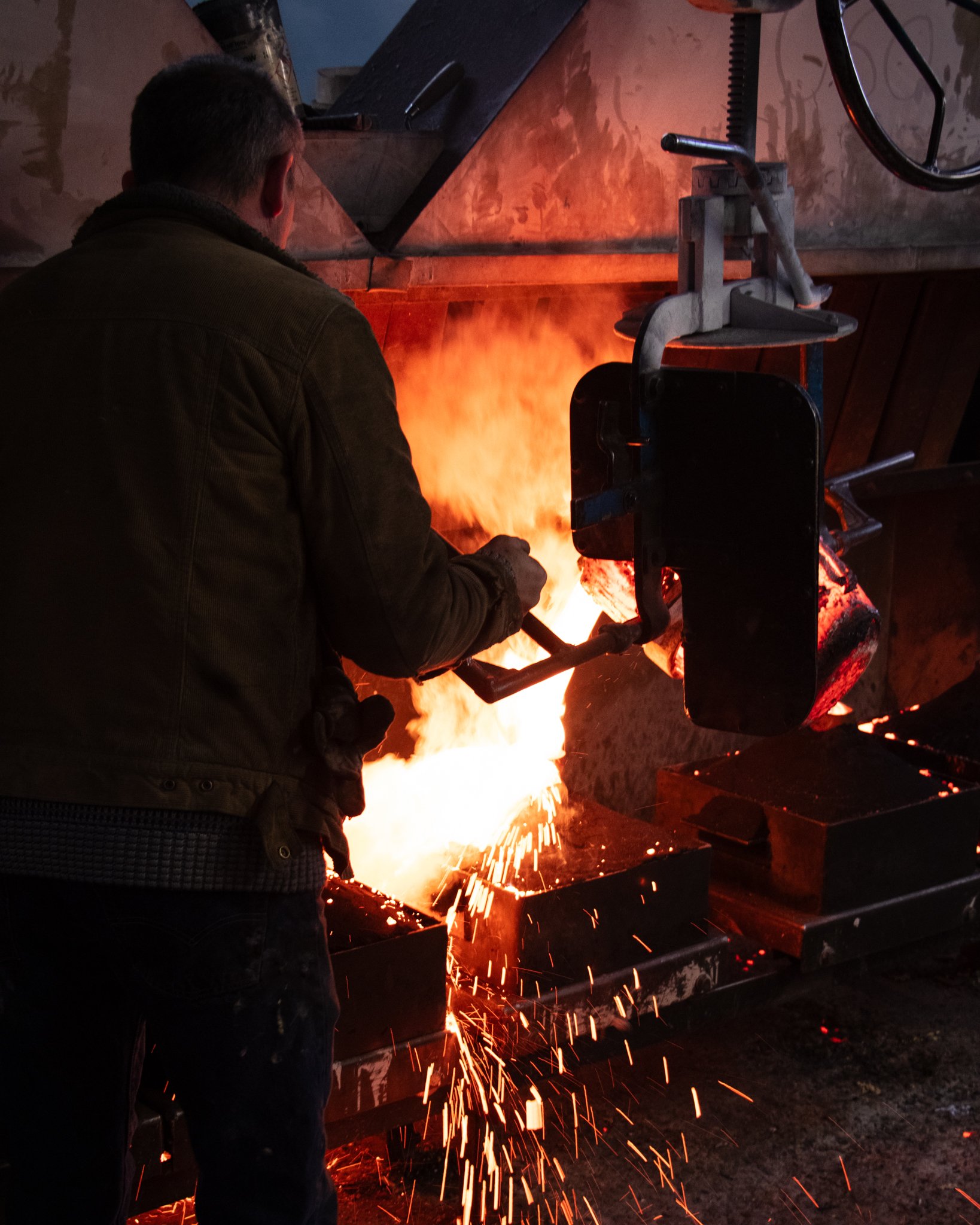
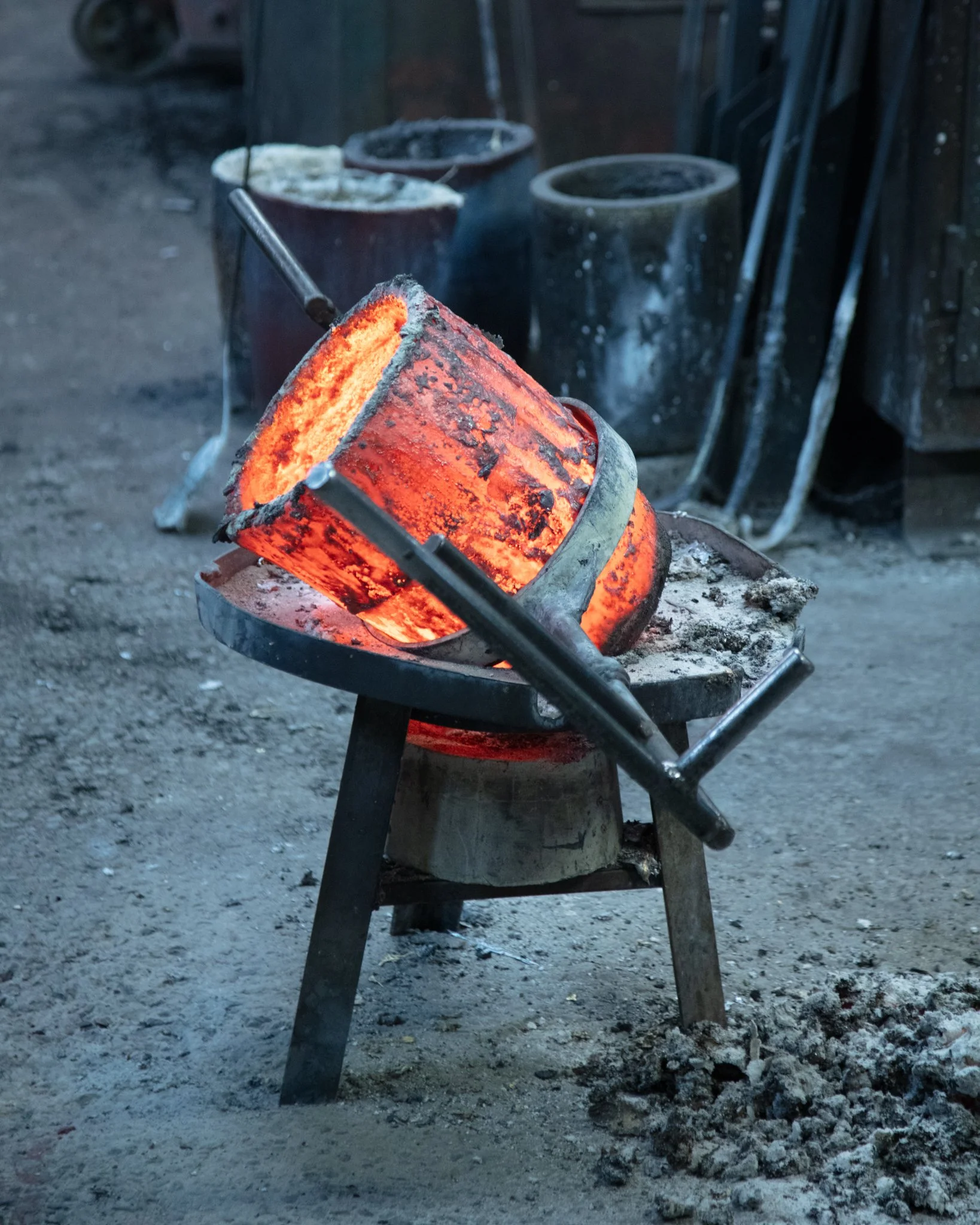
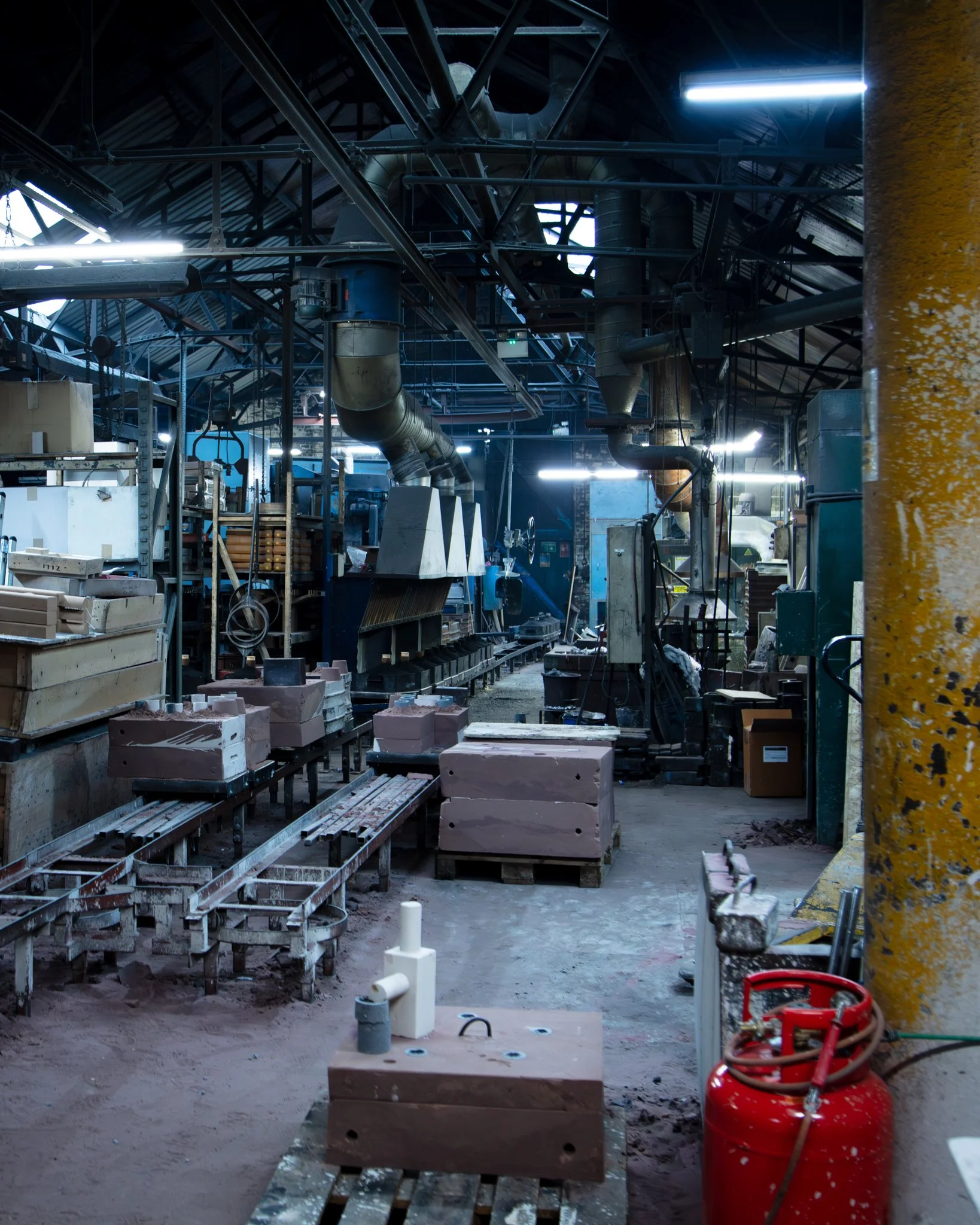
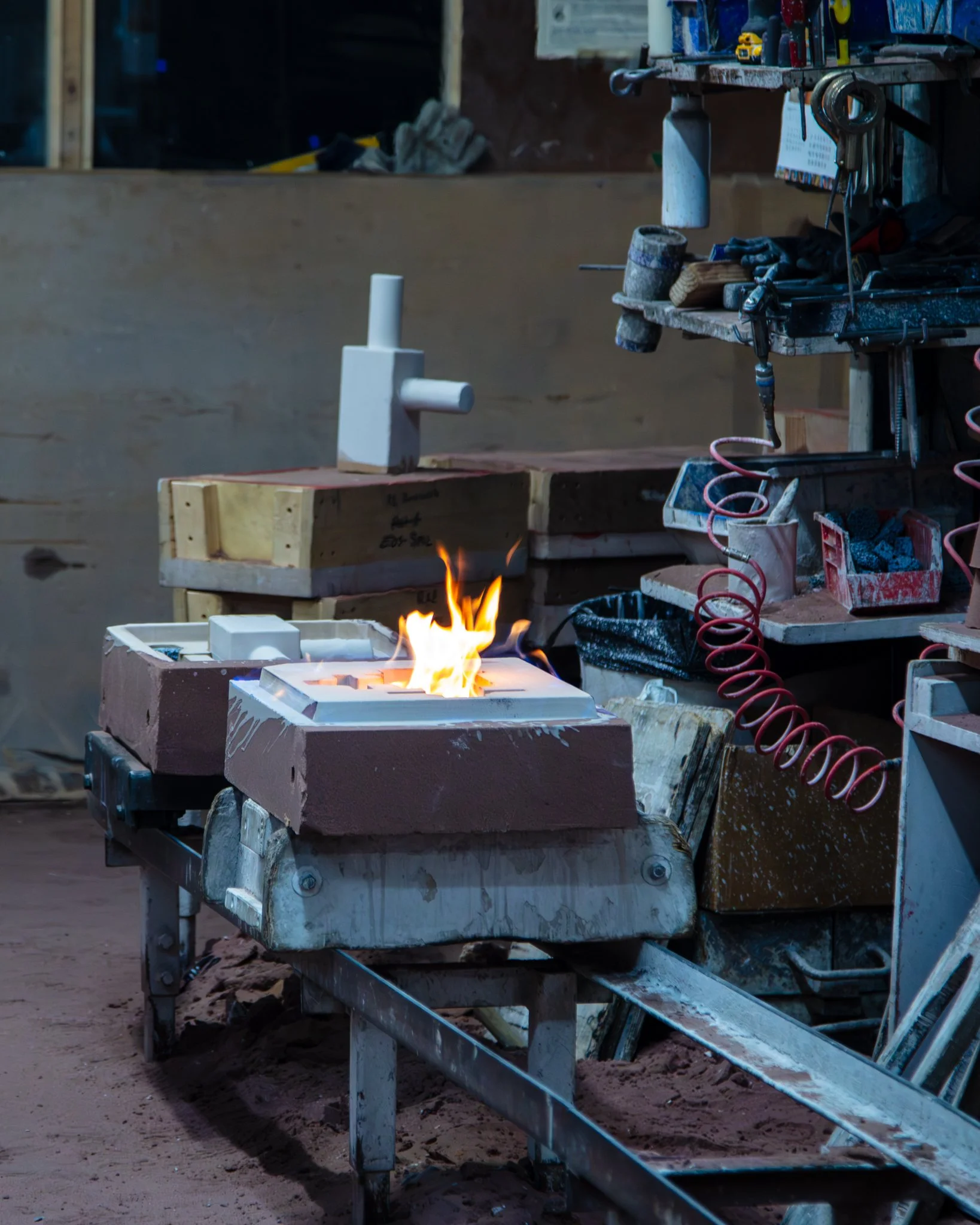
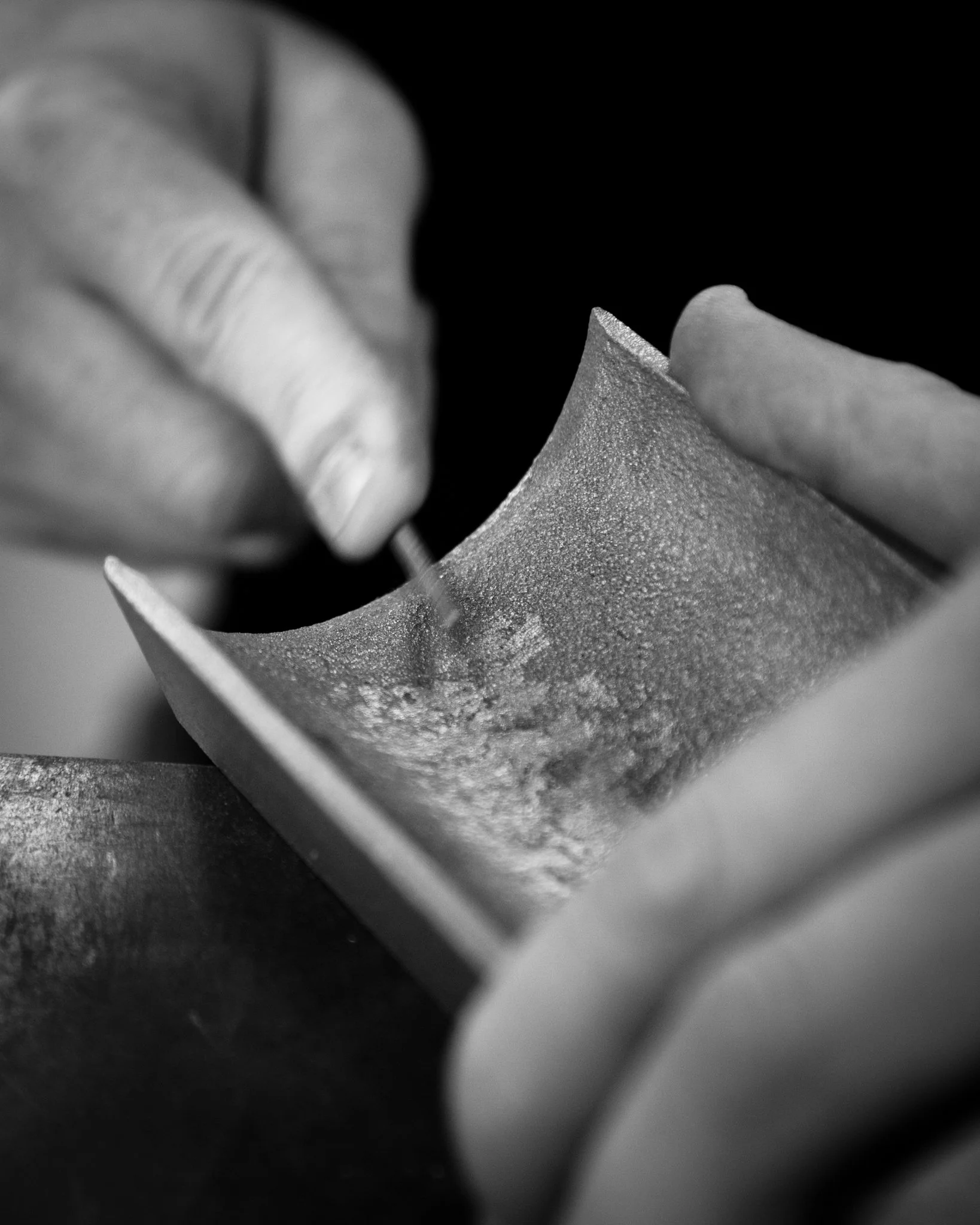
Once widespread across the UK, jobbing foundries developed practices shaped by local needs and regional materials. At the heart of the foundry (and its allied trades) lies the expertise of individuals and their deep understanding of materials. Pattern makers shape wood and resin into intricate, precise forms; moulders form green sand into moulds, creating runners, risers, and cores from core sand; and casters control temperature, flow, and solidification during the pour. Each step carefully accounts for the nature of the metal as it cools and shrinks — demanding experience, intuition, and a technical savvy shared tacitly across generations.
The recent closure of William Lane Foundry in 2024 — the UK’s oldest jobbing foundry established in Middlesborough in 1862 — underscores the fragility of this expertise and the risk that such knowledge becomes undervalued or lost in the UK.
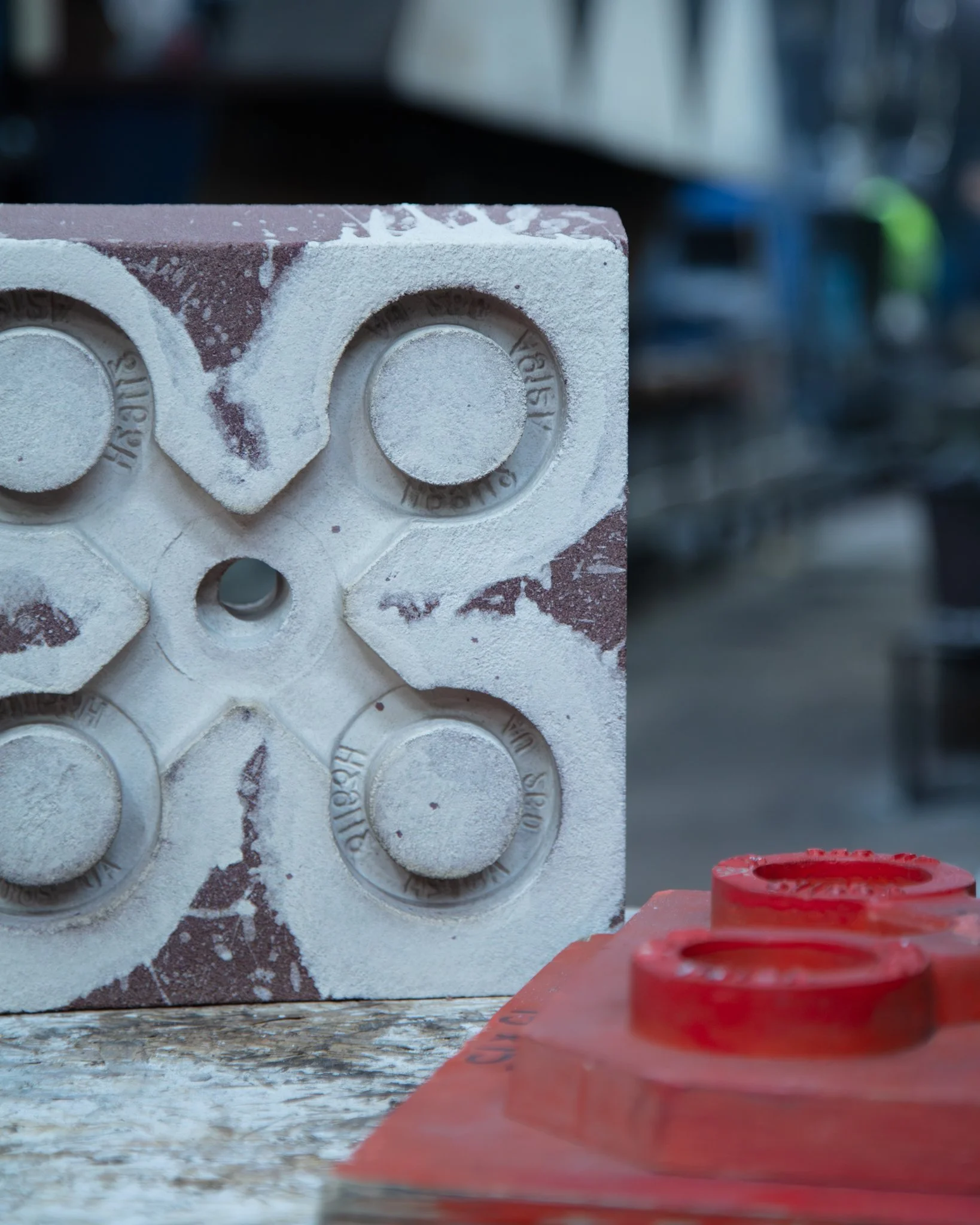
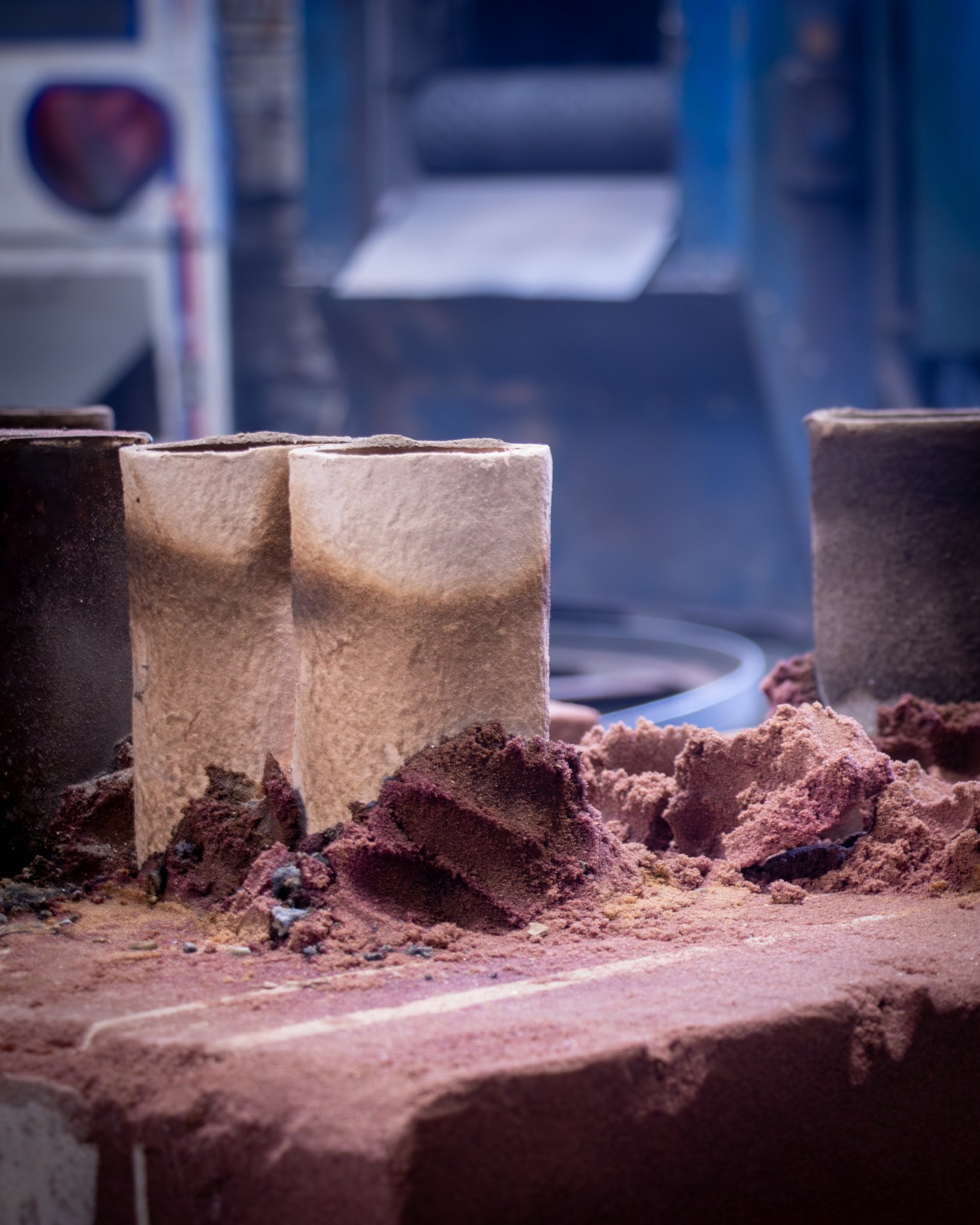
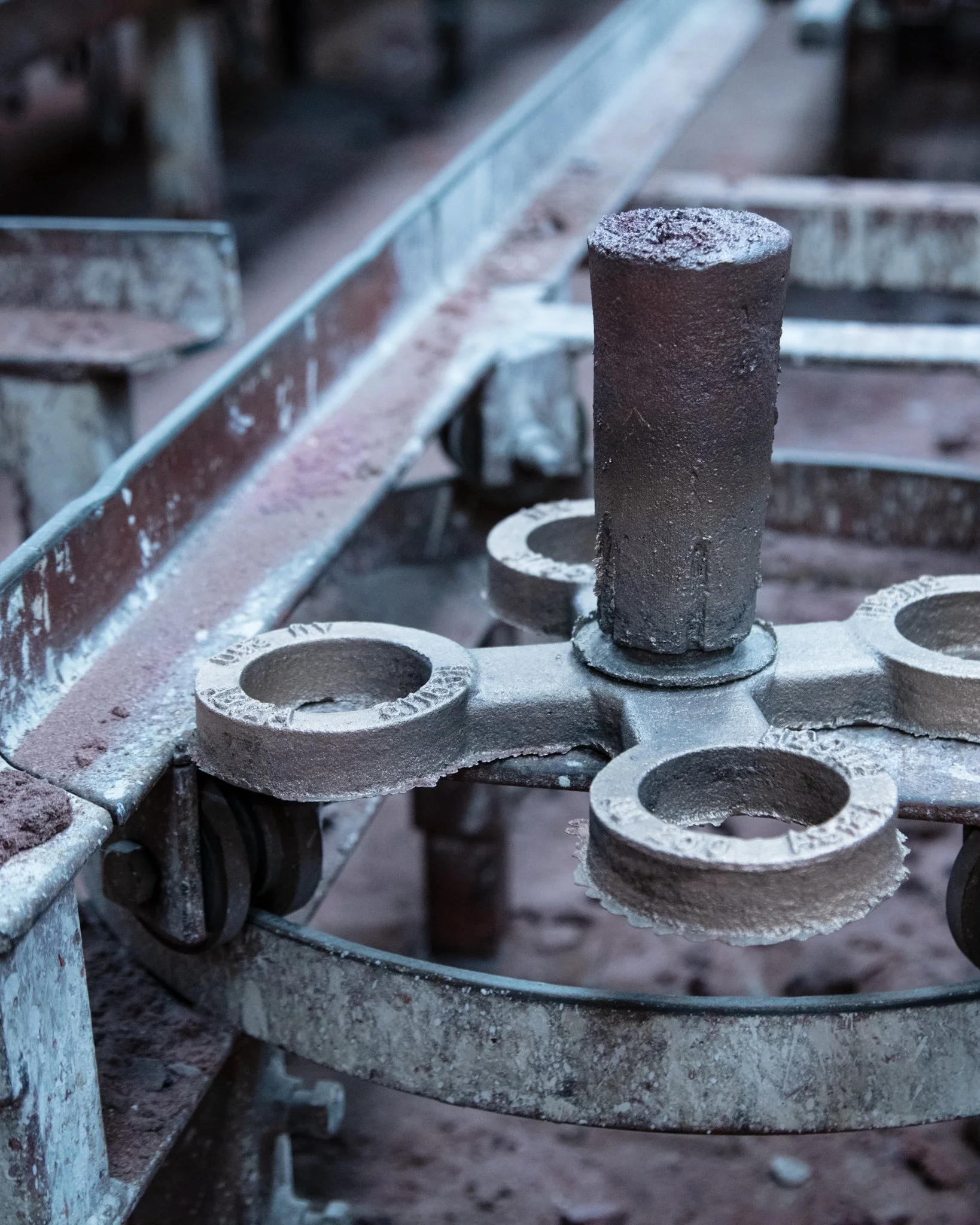
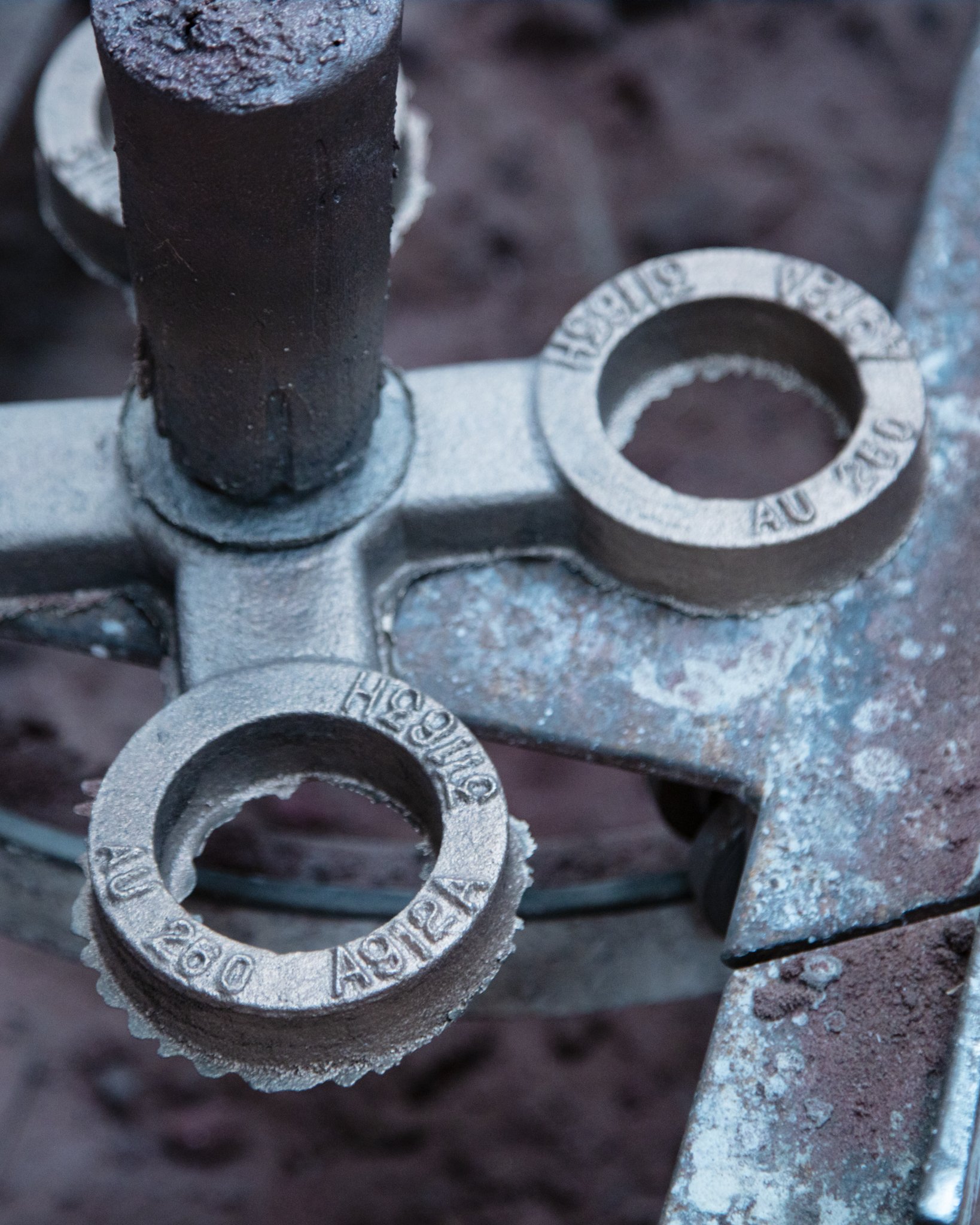
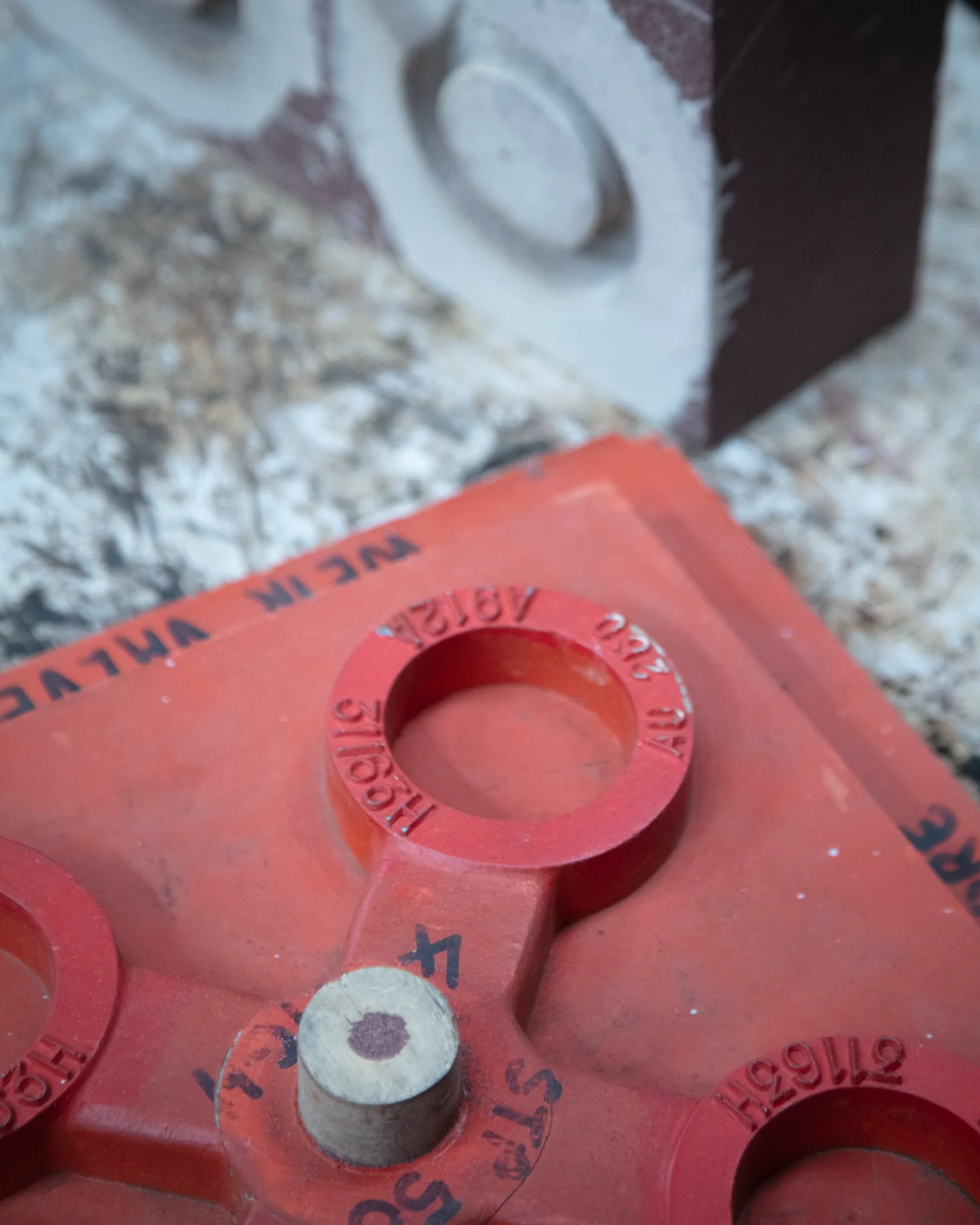
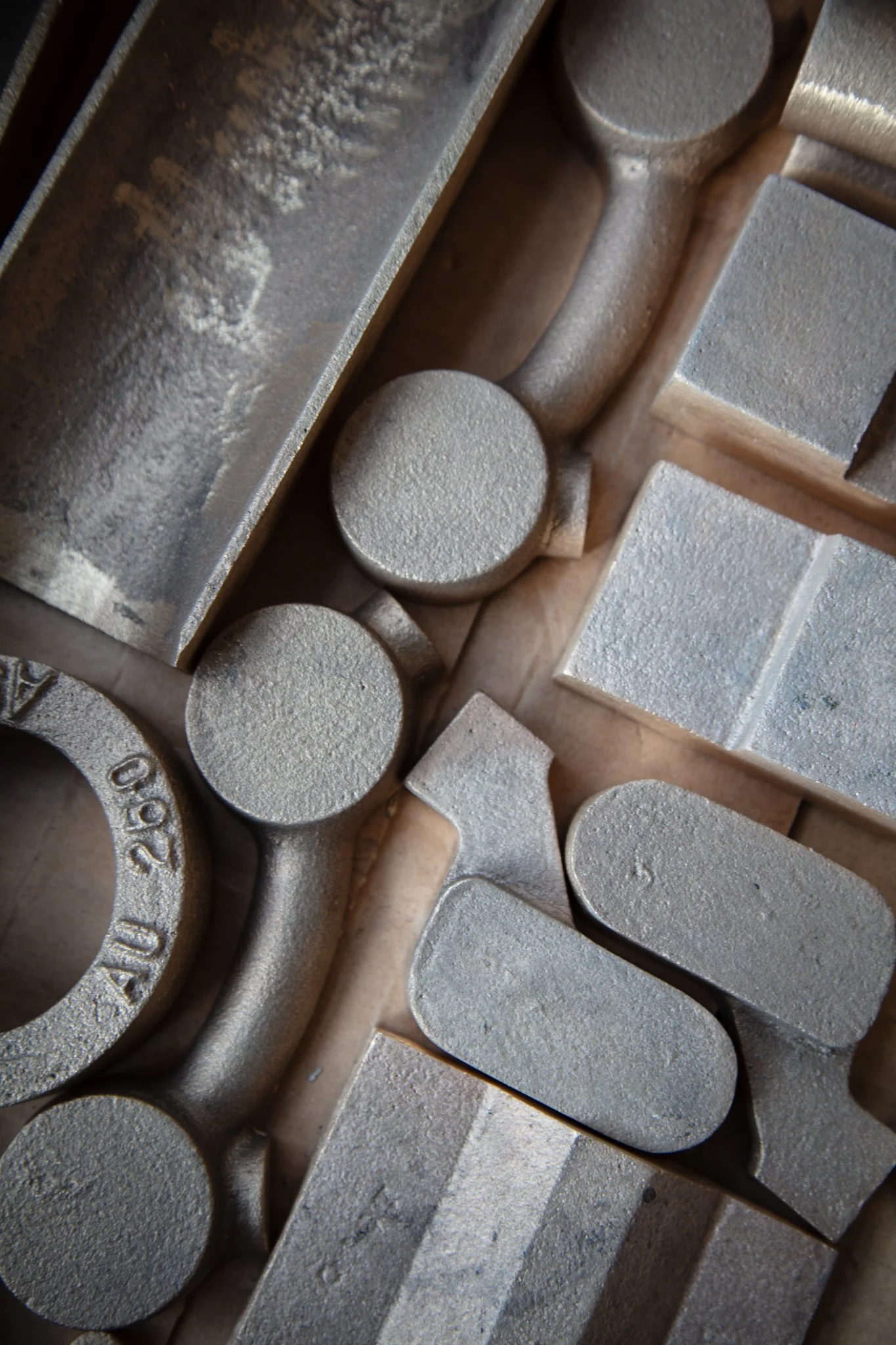
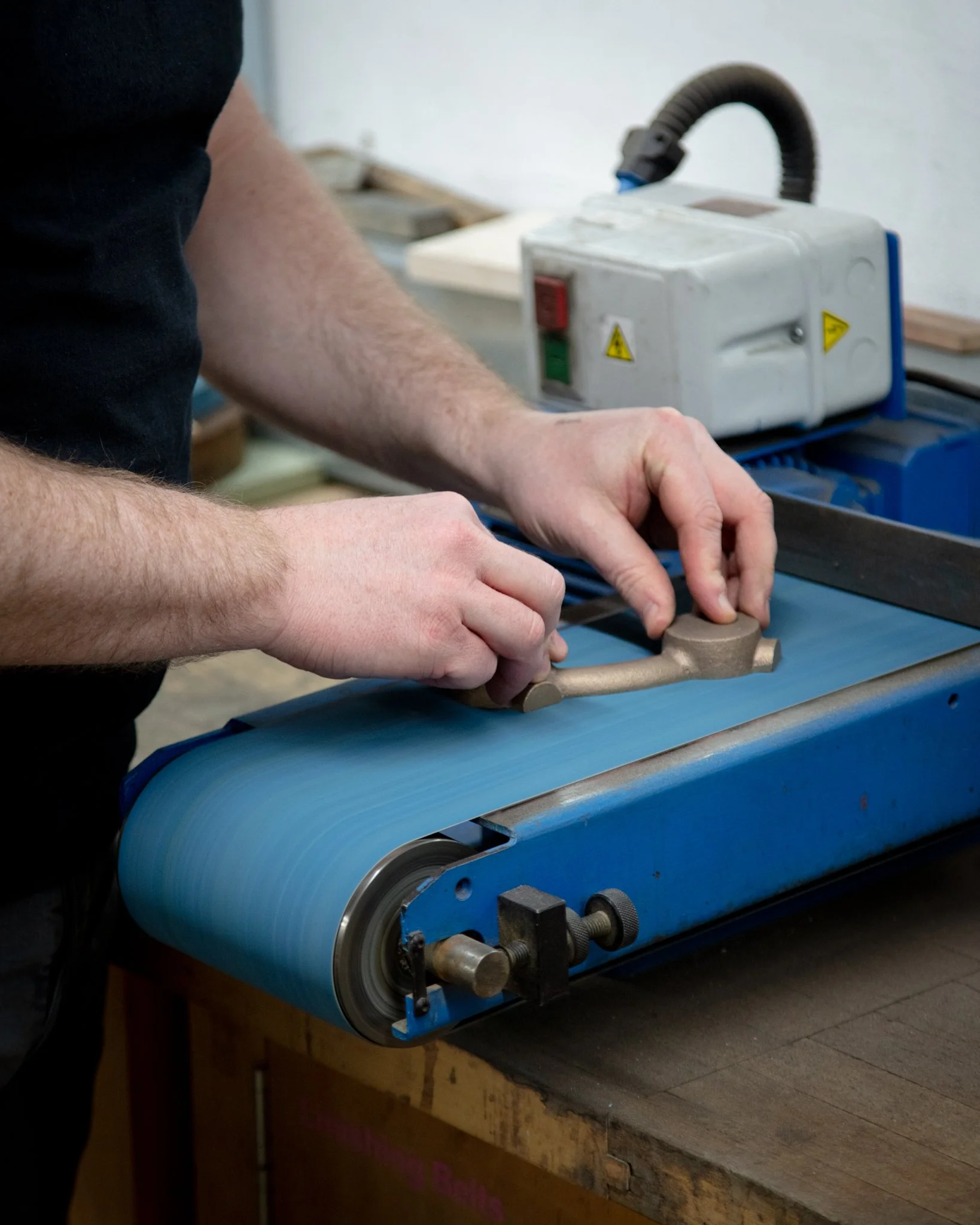
Recast Collection
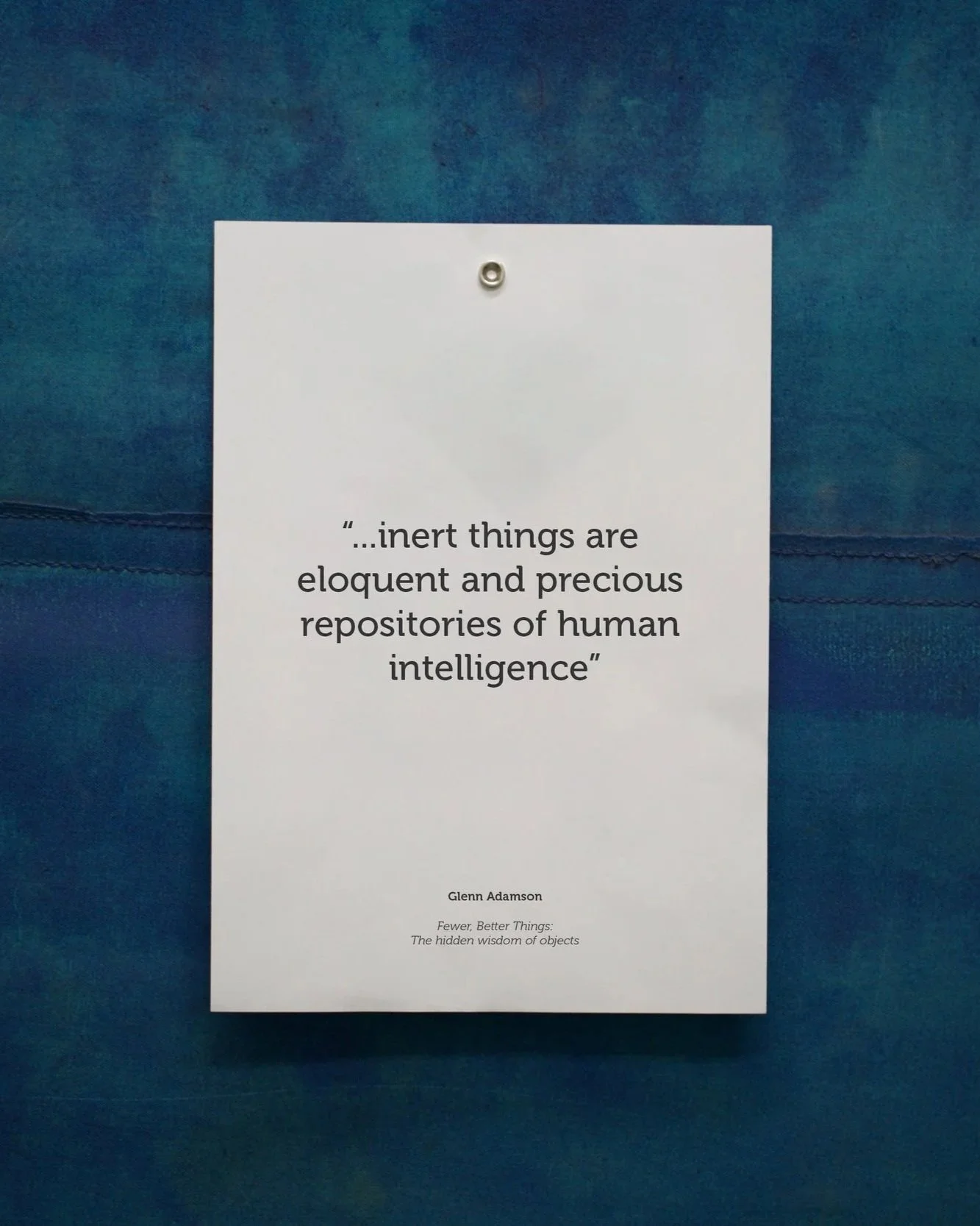
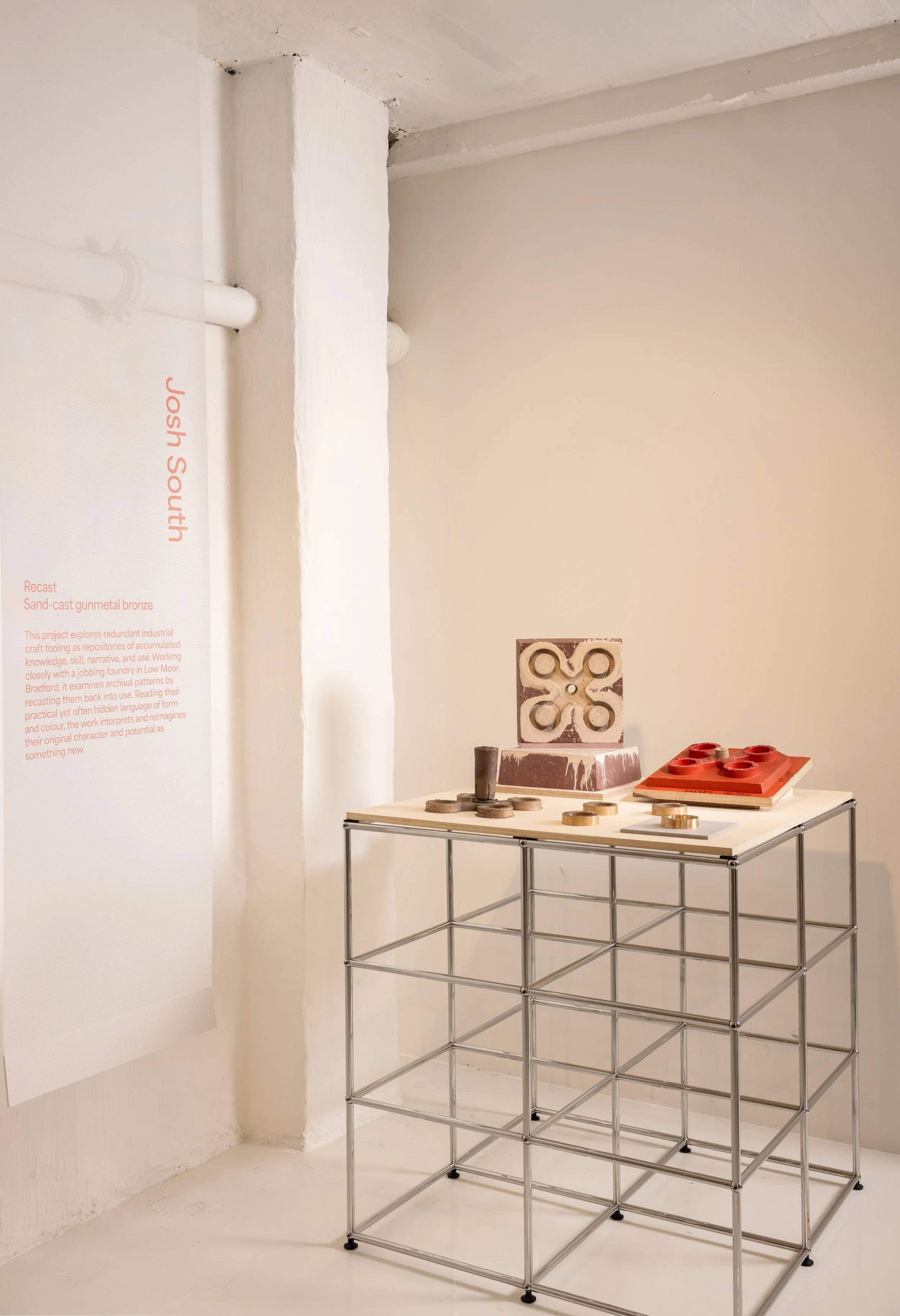
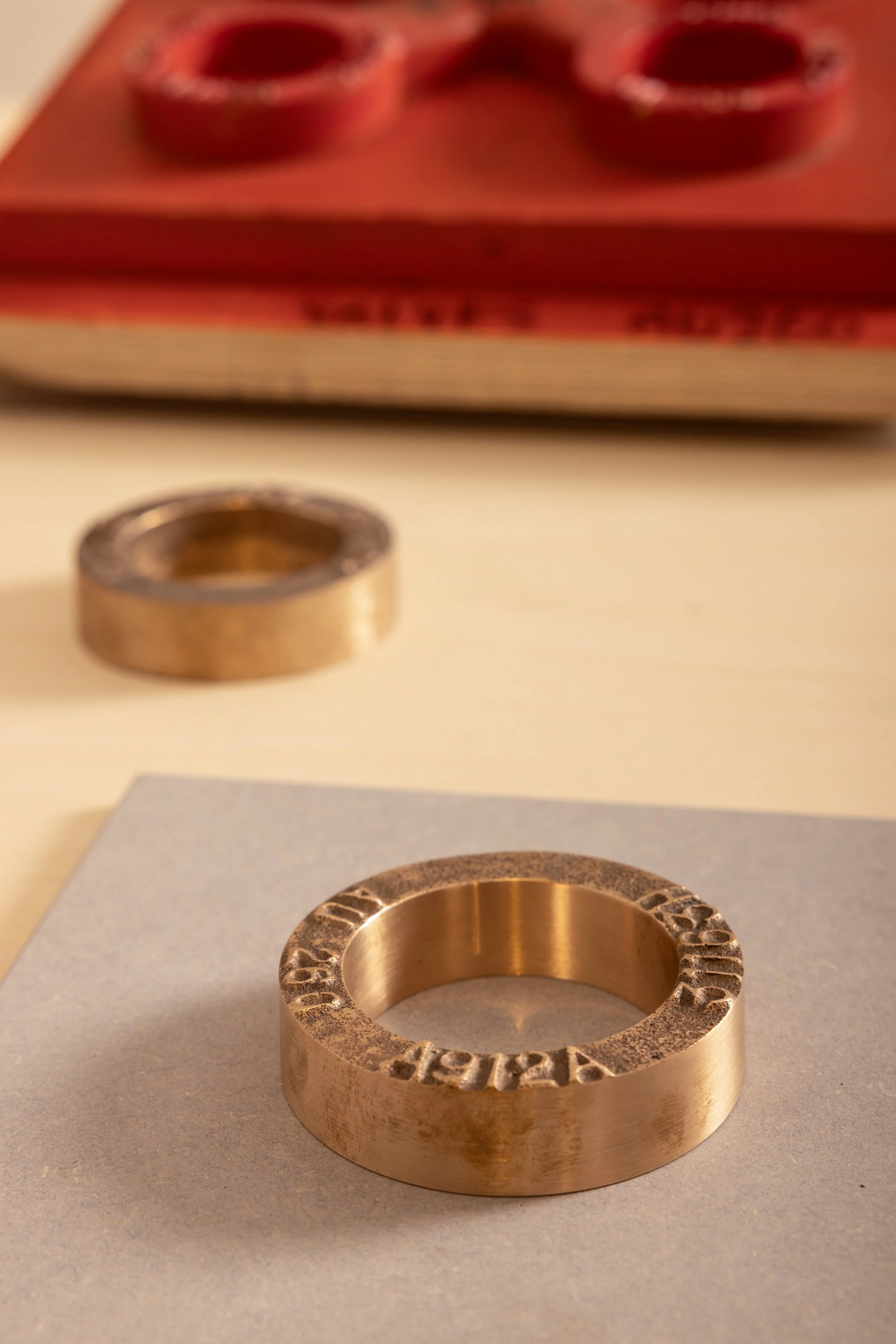
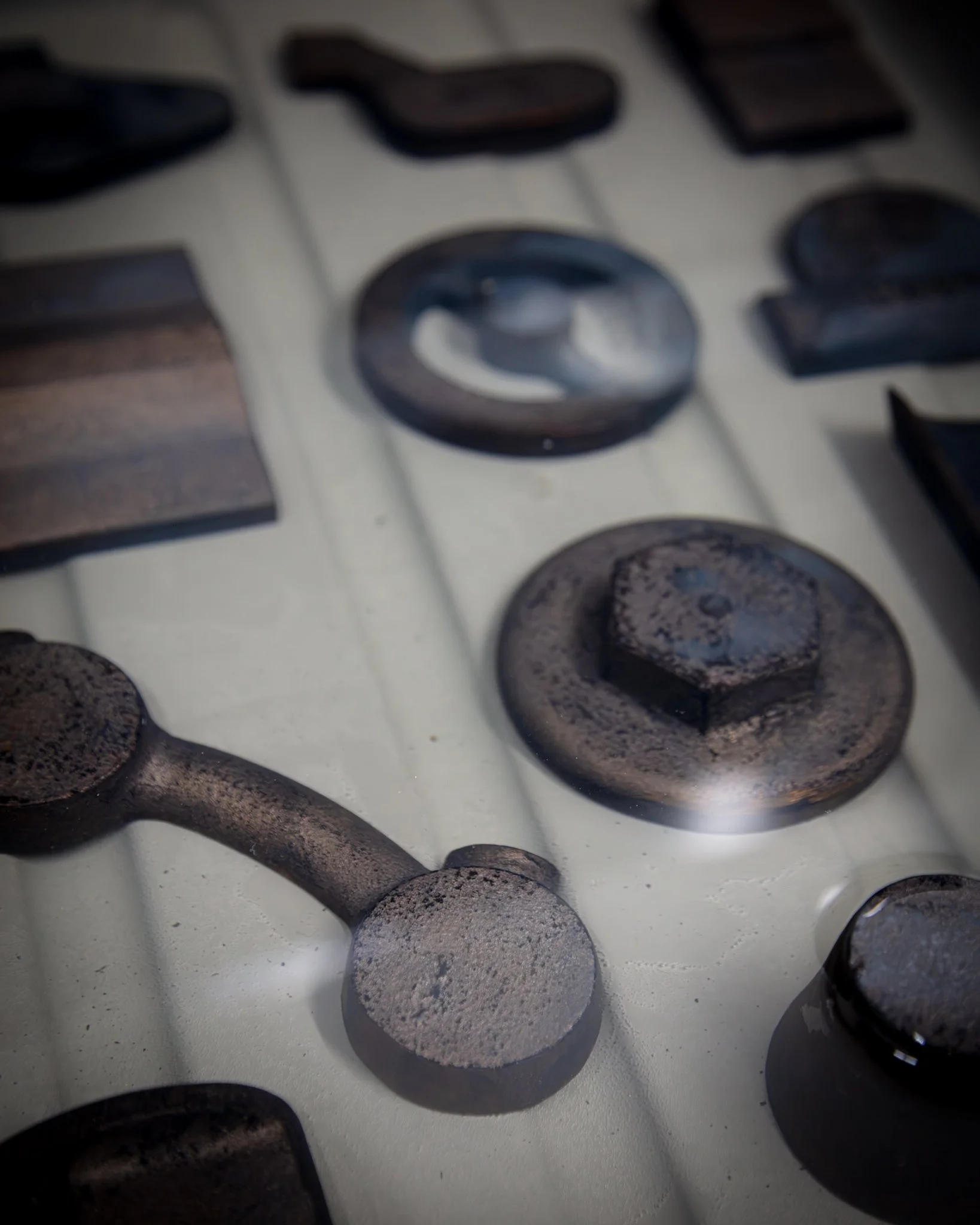
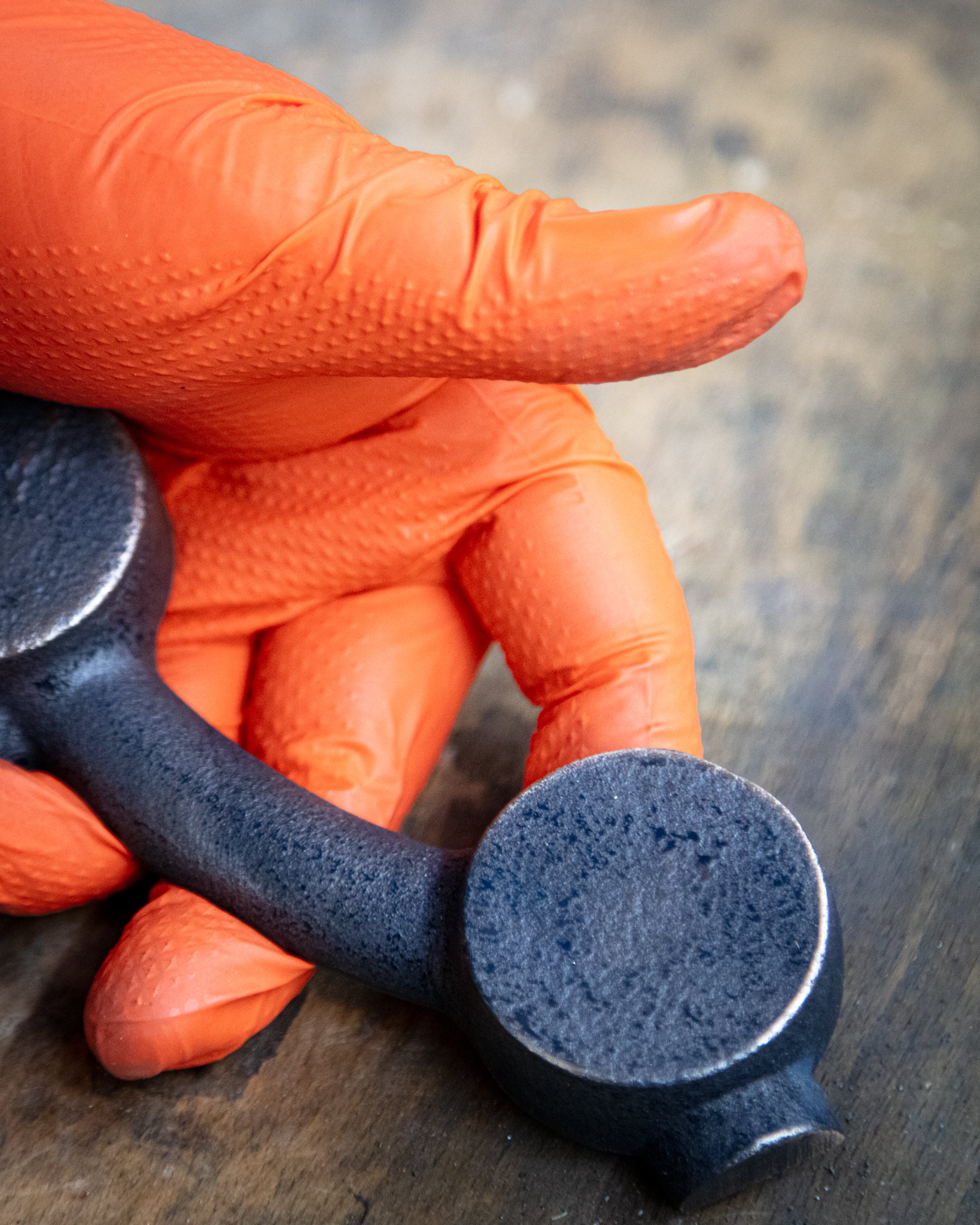
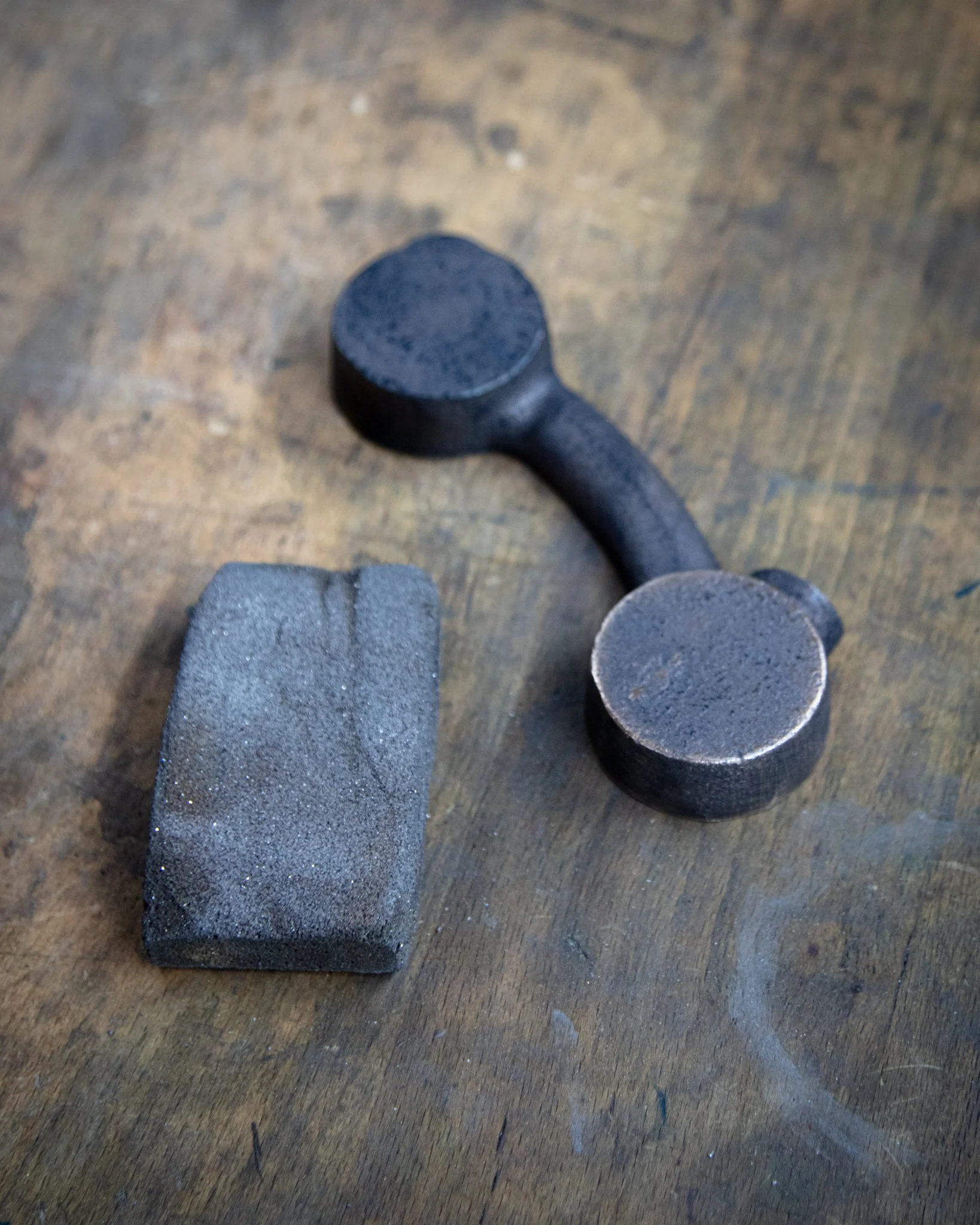
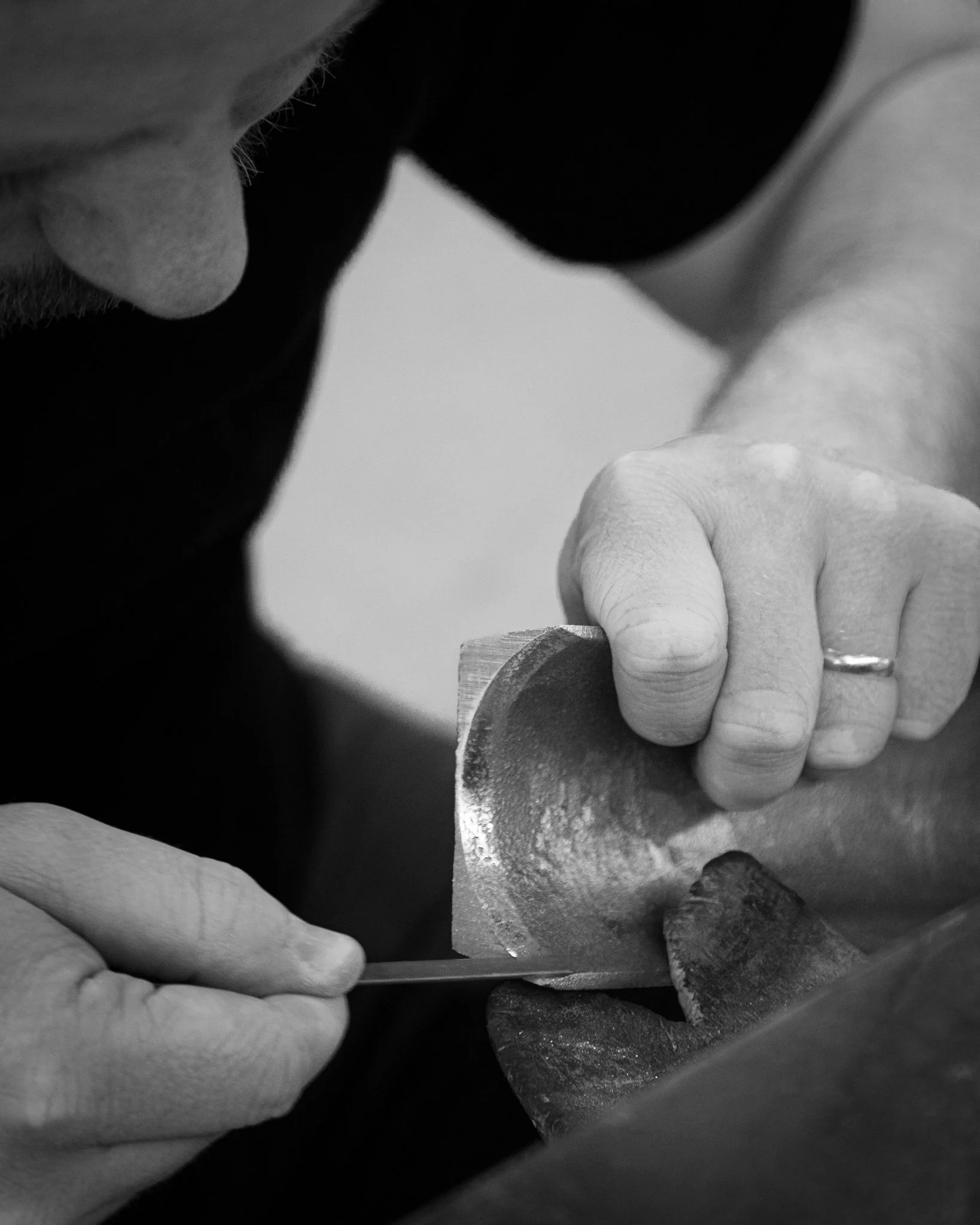
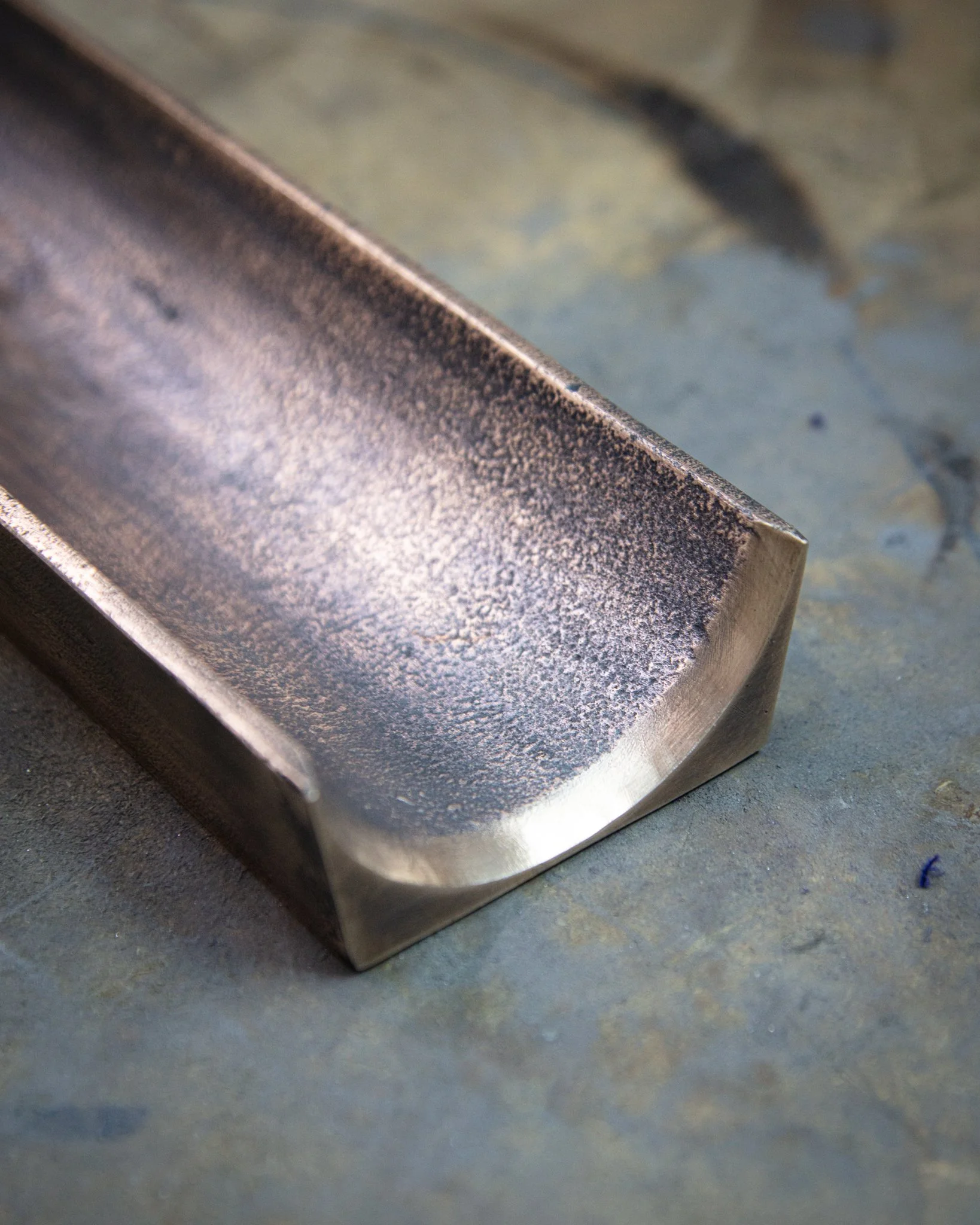
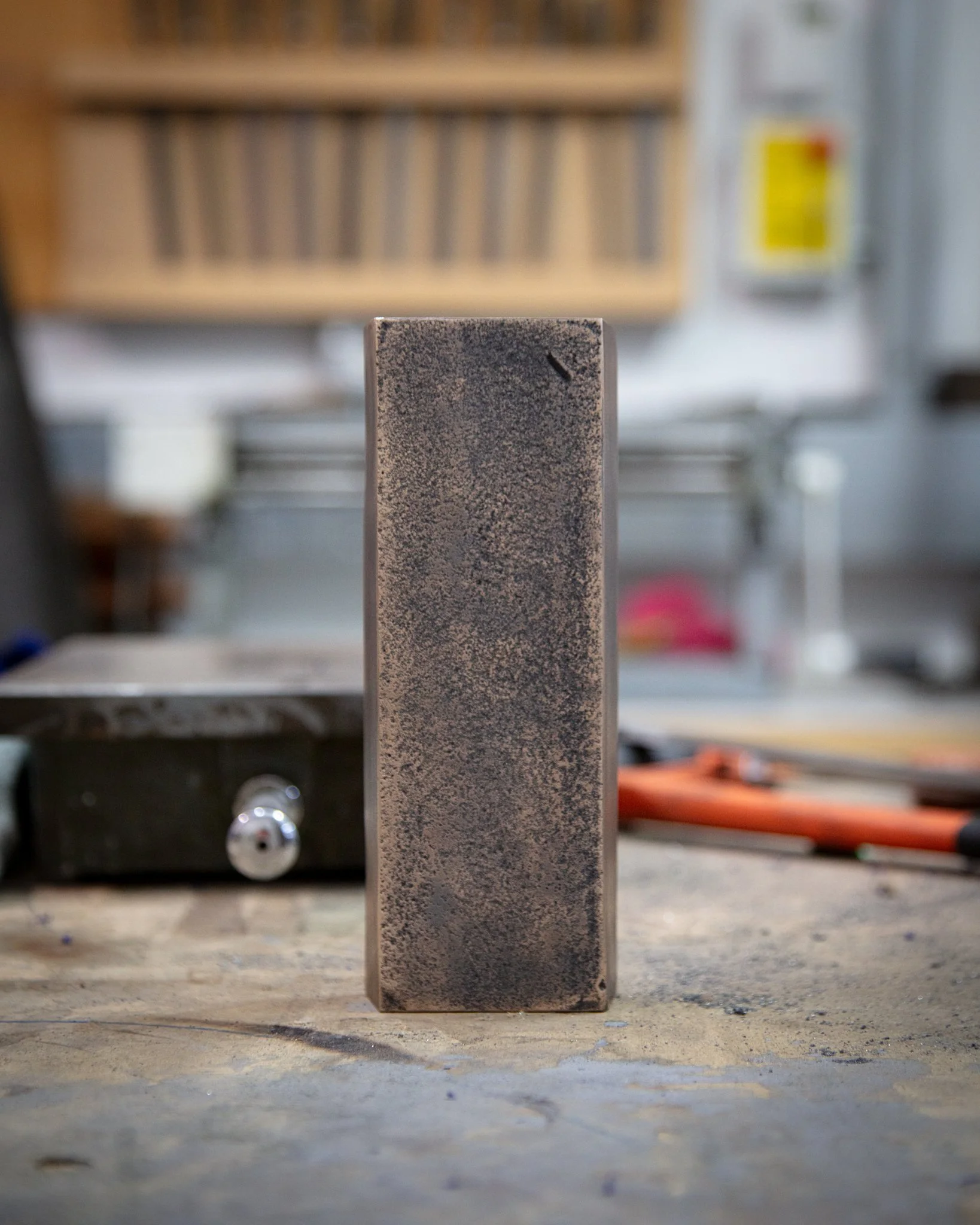
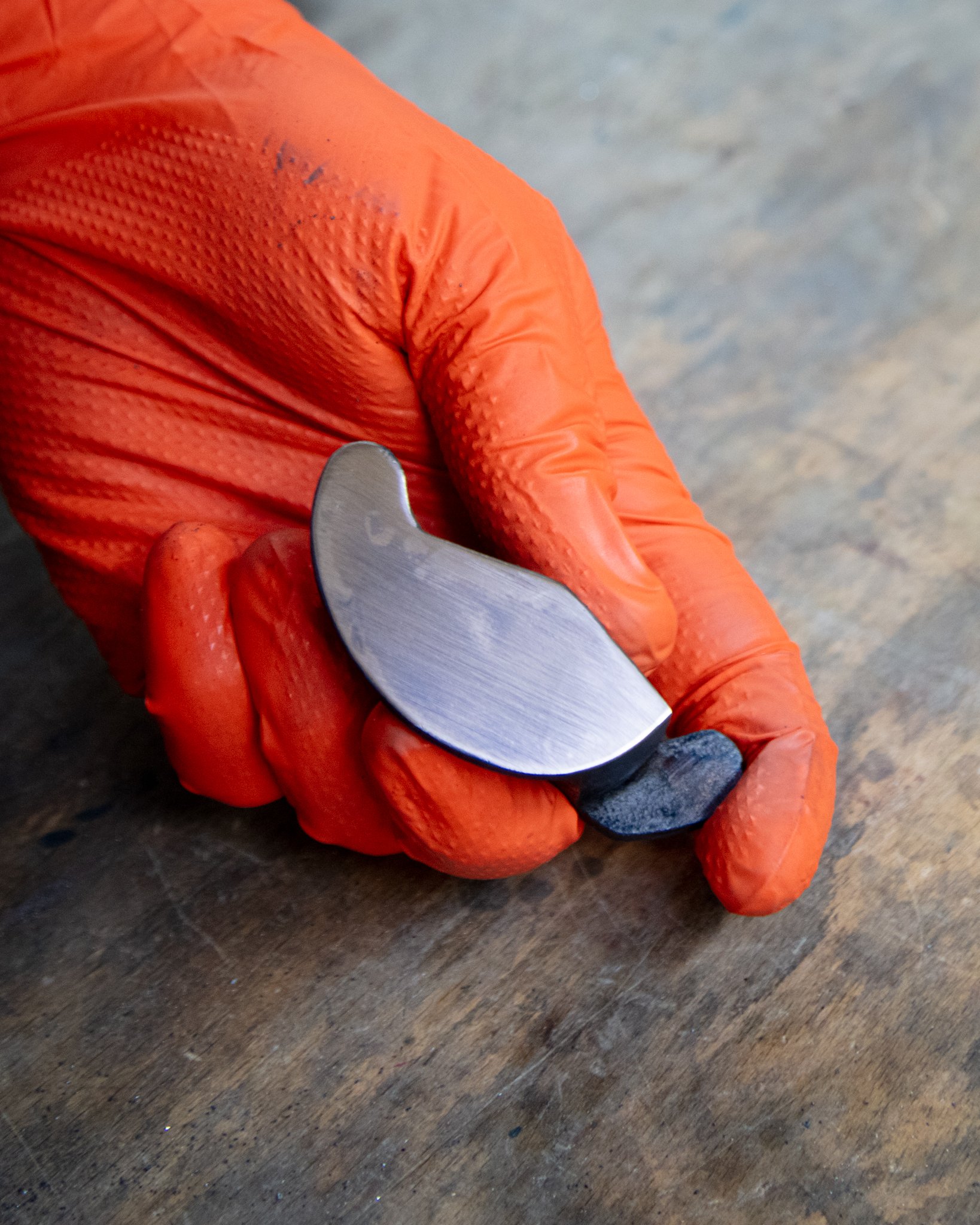
This project explores latent industrial craft tooling and moulds as rich repositories of accumulated knowledge, skill, narrative, and use. Working closely with Derek Harper Foundry, a sand-casting workshop in Low Moor, Bradford, it engages an archive of redundant and discarded industrial patterns, using them to explore the intricacies of casting, and putting them ‘back to work’ in new forms.
“The tools, jigs, and machines on which the workmanship of certainty will always depend are simply the stored embodiment of the care, judgment and dexterity exercised by the workman at an earlier time.” (Pye, 1968. P.53-54)